
10 Traditional Day of the Dead Flowers + Significance

Day of the Dead flowers are more than decorations, they are symbolic guides meant to help loved ones return home to visit during Día de Muertos.
Each bloom has its own meaning, traditional use, and cultural significance, especially in regions like Oaxaca and Michoacán, where flower cultivation plays a major role in the celebration.
In this guide, you’ll learn the names and meanings of the traditional Day of the Dead flowers. You’ll also discover how to use the flower and what alternatives to look for if you can’t find them locally.

This article may contain affiliate links. This means if you click a link on my website and make a purchase, I earn a commission at no additional cost to you. For full information, please see my disclaimer here.
Significance of Flowers for the Day of the Dead
Flowers for the Day of the Dead are believed to guide spirits back to the world of the living through their color and fragrance. Their vibrancy, both in color and scent, helps to adorn Día de Muertos celebrations.
Whether placed on an ofrenda, a gravesite, or used to line pathways, each bloom carries deep cultural meaning that enhances the celebration.
1. Marigolds (Cempasúchil)

Cempasúchil, sometimes called flor de muertos, is the most iconic Day of the Dead flower. Its vibrant orange hue and strong scent guide spirits home. During Día de Muertos, marigold petals and blooms line pathways, adorn cemeteries and graves, and decorate entire cities.
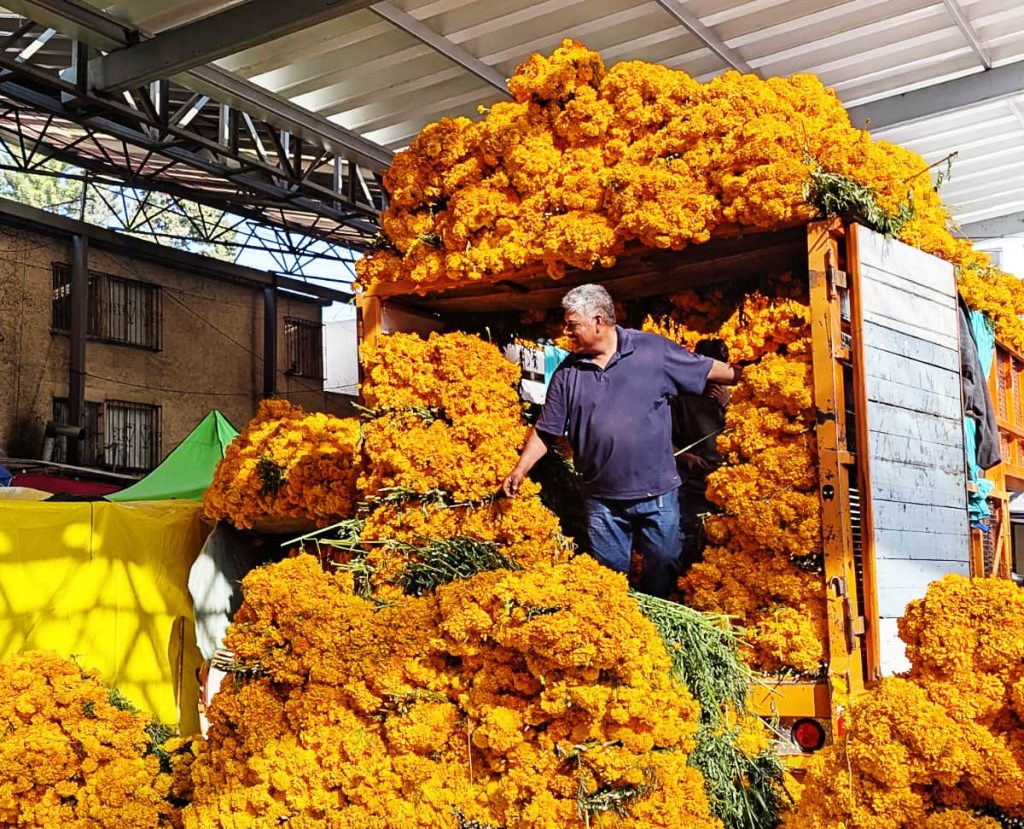
You’ll also be able to find these flowers for sale in markets, outside graveyards, and by local street vendors. During Día de Muertos, you’ll see vendors selling cempasúchil flower crowns as well.
If you can’t find Cempasúchil, look for:
- French marigold
- Safflower
- Yellow chrysanthemums
- Marigold hybrids
- Rudbeckia (Black-eyed Susan)
2. Cockscomb (Flor de Terciopelo)
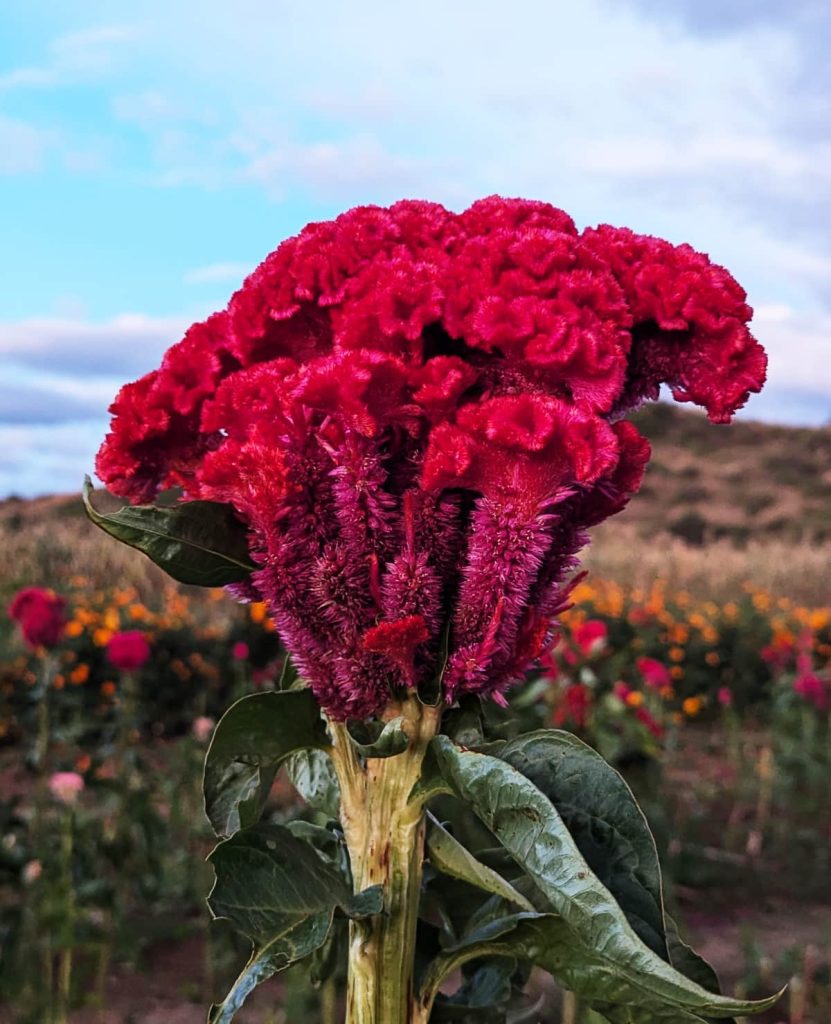
Cockscomb’s plush, velvety texture and deep red or magenta color make a striking addition to your Day of the Dead altar.
The flower represents blood and vitality, and its bold appearance adds dramatic contrast to orange cempasúchil.
During Día de Muertos in Oaxaca, you can visit a flower field that is known for cultivating flor de terciopelo (also known as cresta de gallo) in multiple hues.
If you can’t find cockscomb flowers, look for:
- Amaranth
- Celosia plumes
- Red carnations
- Red gomphrena
3. Baby’s breath (Nube)

Often used to soften and fill floral arrangements, nube symbolizes purity, innocence, and remembrance. It is traditionally used for those who passed away at a young age.
Its cloudlike clusters also represent tenderness and the fragility of life. Sometimes during spiritual or religious celebrations, small bouquets of just baby’s breath will be used. You can also find these Day of the Dead flowers dyed several different colors.
If you can’t find baby’s breath, look for:
- White alyssum
- Queen Anne’s lace
- Statice (white)
- Waxflower
4. Gladiolas
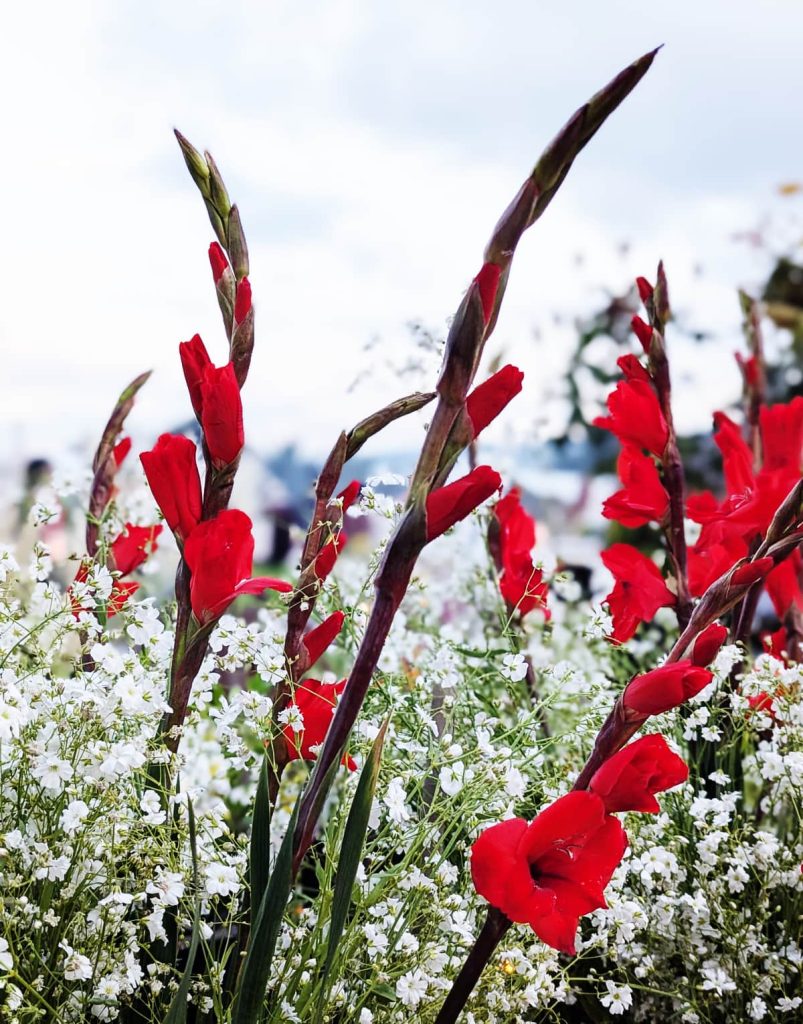
Gladiolas symbolize remembrance, family unity, and strength. Their vertical lines create structure in ofrendas and gravesite flower arrangements.
They are commonly used when honoring older family members or those who embodied resilience. White gladiolas, in particular, are often placed beside candles and photos.
If you can’t find gladiolas, look for:
- Snapdragons
- Delphinium
- Lisianthus
- Stock flowers
5. Chrysanthemums

Chrysanthemums represent celebration, honor, and the beauty of life’s cycles. In Mexico, they are heavily associated with November festivities and are known for their longevity and rich fall colors. They are popular among families who want a long-lasting Día de Muertos flower for graves and paths leading to the ofrenda.
If you can’t find chrysanthemums, look for:
- Dahlias
- Zinnias
- Gerbera daisies
- Asters
6. Lillies (Lirios)
Lilies, especially white varieties, symbolize rejuvenation, purity, and the transition between life and death. They are often used for loved ones who passed unexpectedly or tragically. Their fragrance and shape add an ethereal quality to the altar, especially when combined with candles and marigold petals.
If you can’t find lilies, look for:
- Calla lilies
- Alstroemeria
- White tulips
- Oriental lilies (any color)
7. Siemprevivas (Strawflowers)
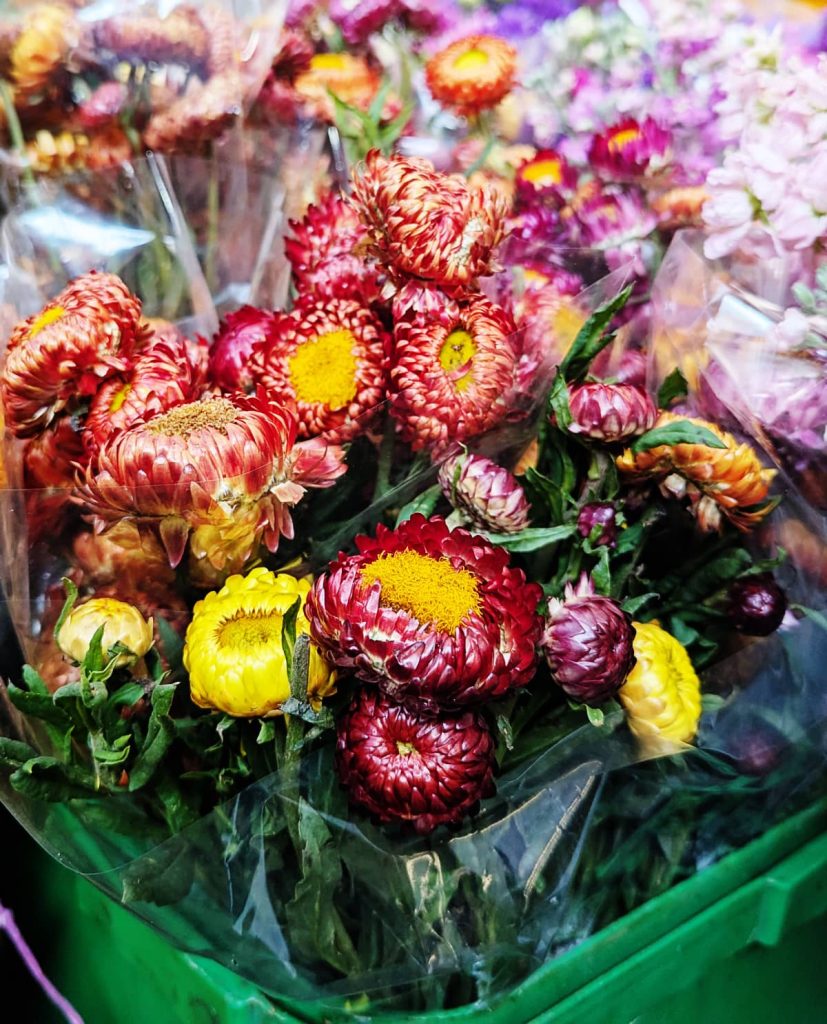
Siemprevivas, also called Flor Inmortal (Immortal flower) are popular for Día de Muertos because they retain their shape and vibrant color even after drying.
Their long-lasting petals symbolize longevity, remembrance and enduring connection, making them a beautiful tribute for ancestors or loved ones whose presence continues to guide the family.
You’ll often see siemprevivas in markets across Oaxaca and central Mexico. They are used alongside marigolds to add texture and longevity to the ofrenda.
If you can’t find siemprevivas, look for:
- Statice (Limonium)
- Dried gomphrena
- Dried marigold heads
8. Roses (Rosas)
Roses have become an increasingly common Día de Muertos flower. Red roses symbolize everlasting love, while white roses represent peace and remembrance.
Many families use roses when honoring spouses, grandparents, or soulmates. Their familiar scent is believed to comfort returning spirits.
If you can’t find roses, look for:
- Peonies
- Ranunculus
- Carnations
9. Carnations (Claveles)
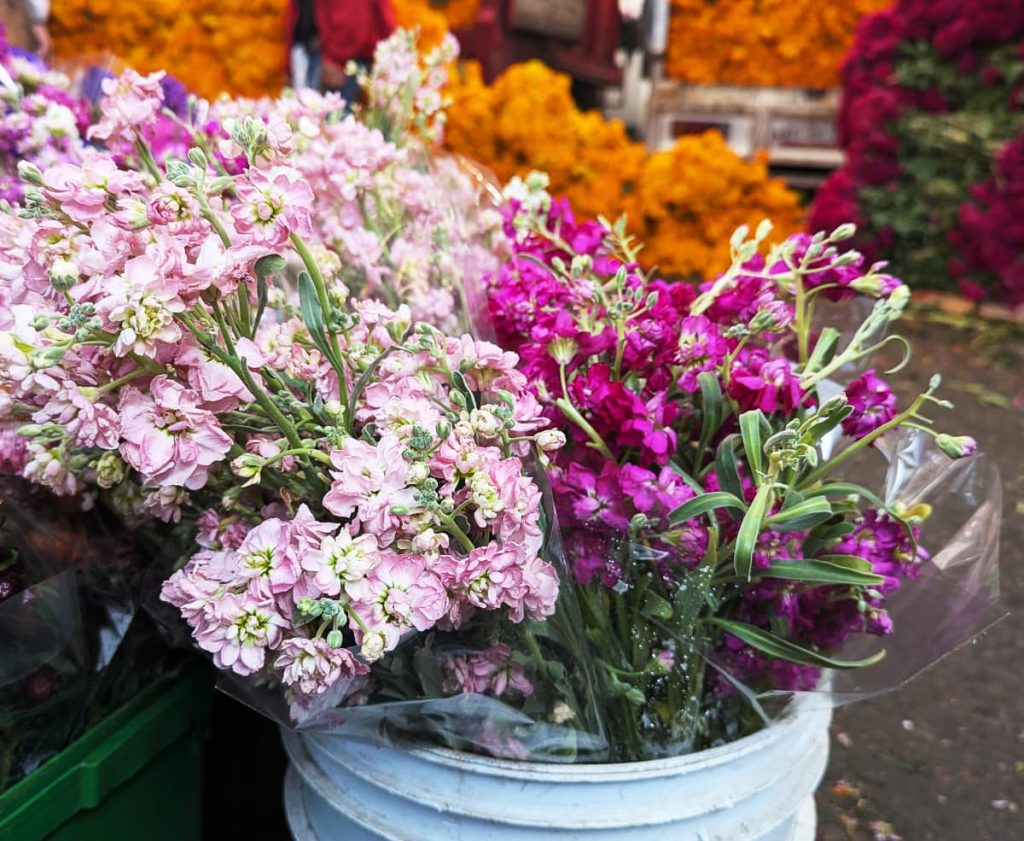
Carnations are a cherished addition to many Día de Muertos ofrendas. Their ruffled petals and long-lasting blooms symbolize devotion and memory.
The most popular carnation flowers for Day of the Dead are usually vivid and bright shades like oranges, yellows and reds.
Since claveles can last a long time after being cut, they’re perfect for decorating altars where long lasting blooms that can keep their scent and color for the duration of the holiday are preferred.
If you can’t find carnations, look for:
- Chrysanthemums
- Dianthus
- Asters
10. Clover (Trébol)

While not as common as some other blooms, trébol, or clover, can be seen in the markets during Muertos season. Red clover is popular for its vibrant purple flowers, while white clover can be used to purify spaces and bring peace and rest to the visiting spirits.
This flower is most common in regions where it can be easily harvested or bought in the fall, like south and central Mexico, and can be readily found in markets throughout the fall season.
If you can’t find red clover, look for:
- Violets
- Dandelions
- Thistle flower
- Varied wildflowers
Questions About Día de Muertos Flowers
What flowers represent the Day of the Dead?
The flower that most represents Day of the Dead is cempasúchil. These Día de Muertos flowers are used in altars and pathways through graveyards, yards and homes to guide the spirits of the dead back home. Marigolds are known for their strong scent and vibrant orange color, making them an iconic and festive choice.
Is it cempasúchil or marigold?
Cempasúchil and marigolds are essentially the same flower, however there are some variations between the ones readily found in the United States and Mexico. In Mexico, cempasúchiles are often larger, fuller, and one singular, vibrant orange. Marigolds found in the US tend to be smaller, less dense, and a variety of colors from yellow to crimson.
What three colors are the traditional Day of the Dead flowers?
The three traditional Day of the Dead flower colors are orange, purple, and white. Orange represents the sun and life, purple symbolizes mourning and spirituality, and white stands for purity, innocence, and remembrance. White is also used to purify the altar and absorb negative energy, offering protection to the visiting souls.
What kind of flowers go on an ofrenda?
The kind of flowers that traditionally go on an ofrenda include cempasúchil, cockscomb, baby’s breath, gladiolas, siemprevivas, and other regional blooms. Families may add roses, orchids, or local wildflowers, depending on availability. These flowers guide, honor, and symbolize the connection between the living and the returning spirits.
Final Thoughts About Day of the Dead Flowers
Day of the Dead flowers aren’t just beautiful, they’re meaningful symbols that help guide and honor loved ones returning home.
Whether you choose traditional cempasúchil, deep red cockscomb, or regional blooms, each flower adds emotional and cultural depth to the celebration.
Selecting the right flowers ensures your altar for Day of the Dead is vibrant, heartfelt, and rooted in tradition.
