
15 Traditional Day of the Dead Food and Drinks

Day of the Dead food traditions are a bridge between the living and the dead. In Mexico, we believe that when the spirits return they consume the essence of the foods placed on the altar.
Whether you’re baking pan de muerto, crafting a complex mole, or frothing a cup of hot chocolate, each Día de Muertos food offering is a way to honor your loved ones and welcome them home for a visit.
I’ve helped my family build the ofrenda since before I was tall enough to reach the tabletop. And I’ve learned the meaning behind the food of Day of the Dead and why certain dishes are a staple.
In this article, we’ll explore the traditional Day of the Dead food and drinks and why they’re used so that you can decide which dishes to include.
This article may contain affiliate links. This means if you click a link on my website and make a purchase, I earn a commission at no additional cost to you. For full information, please see my disclaimer here.
Day of the Dead Food Traditions
For Día de Muertos, food is one of the most important elements. Families prepare dishes their loved ones enjoyed in life, along with symbolic food and drinks that represent celebration, comfort, and home.
Once the spirits leave and return to the afterlife, the living share the food from the altar as a way to reconnect with and honor those who visited. This shared meal brings family together and turns remembrance into celebration.
1. Pan de Muerto

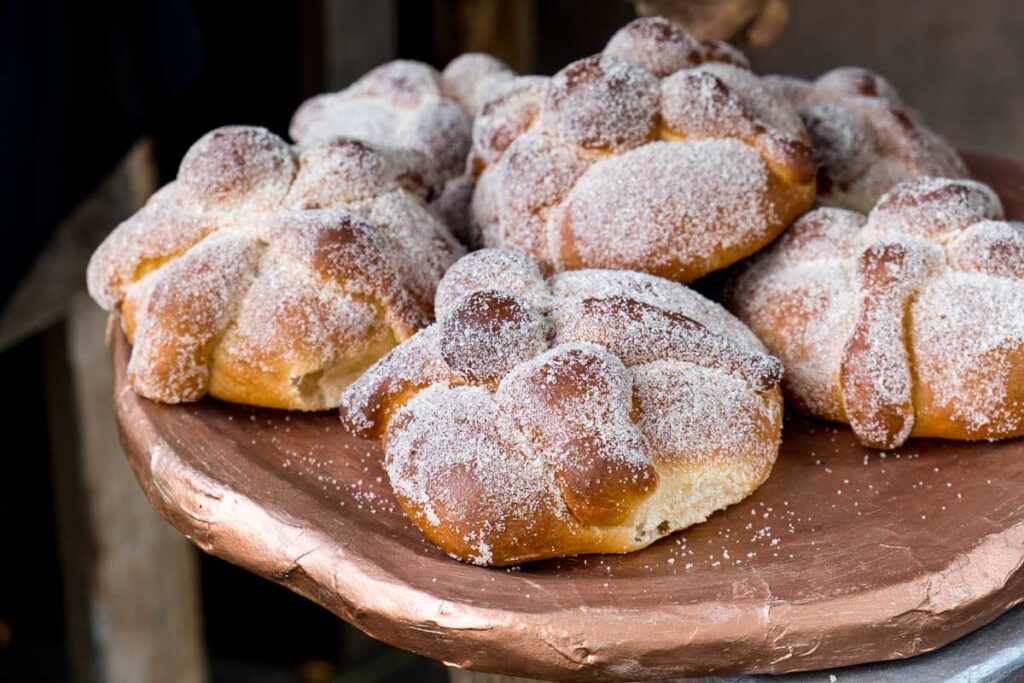
Pan de muerto has a long history rooted in both Indigenous and Spanish traditions. It began as an amaranth seed bread from the Aztecs. And later blended with a Spanish bread called pan de ánimas. The version we know today was refined in convents, where bakers added orange peel and anise to create its soft, lightly sweet flavor.
Traditional pan de muertos has a skull and crossbones shape, with two “bones” in a X shape across the bread and a ball, representing the skull, on top. It’s often dusted with white or pink sugar and placed at the very center of the altar. No Día de Muertos celebration is complete without it.
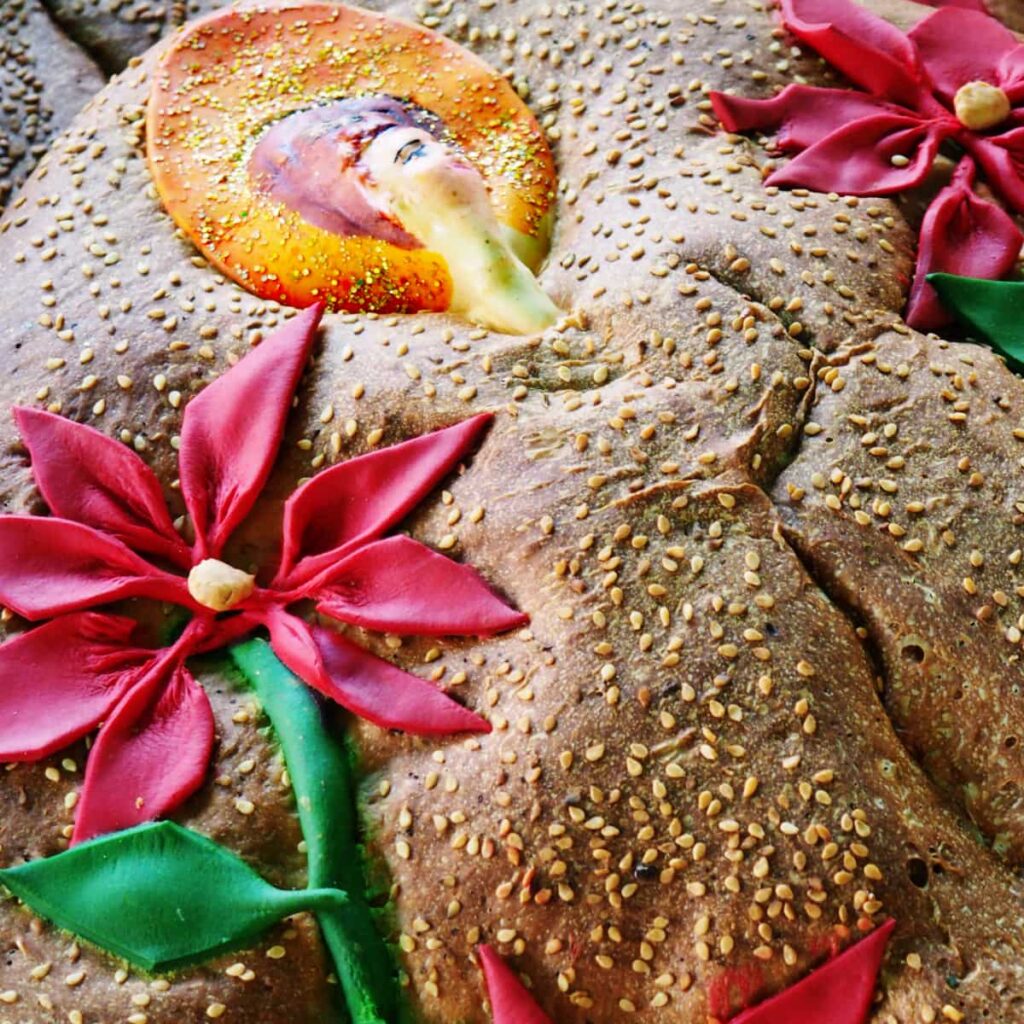
Regional variations in shape and form exist, the most notable of them being in Oaxaca. Many regions of Oaxaca maintain the body-like shape of pan de ánimas. And some create bread with a detailed face peeking out from the dough.
Certain regions in the Sierra Norte form their bread like baskets, cows and toys for the spirits of children to play with.
2. Hot Chocolate
Almost everyone loves chocolate, and the souls of the departed are no exception. Traditional Mexican hot chocolate can be made with water or milk, and spiced with additions like cinnamon, vanilla and almond.
This hot drink is meant to welcome the spirits after their long journey and provide them with something warm and comforting.
3. Mole Negro
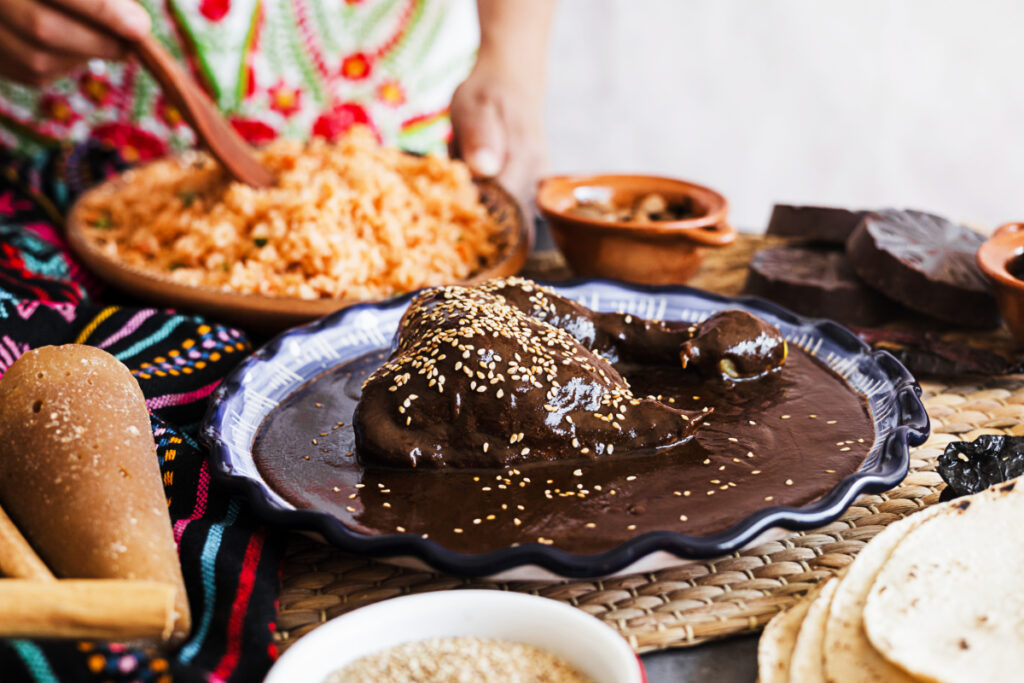
Mole negro is a rich, deeply flavored sauce made with chiles, chocolate, nuts, seeds, and spices that is especially famous in Oaxaca. It’s a celebration food, served at weddings, birthdays, and important holidays.
Because Día de Muertos blends remembrance with joy, mole negro is a perfect fit for the season. It’s also a great moment to explore how food traditions change by region — you can read more about regional variations in our Oaxaca Day of the Dead guide.
4. Tamales

Tamales are one of the most practical and meaningful dishes offered during Día de Muertos. They feed many people, reheat well, and come in countless flavors, whether savory or sweet.
While they take time to prepare, families often make this traditional Day of the Dead food offering together, turning the process into a bonding moment. They’re a familiar comfort food for the returning spirits to enjoy before the living share them later.
Want to make your own altar? Learn about each element of an ofrenda and its meaning so that you can make it with purpose.
5. Red Pozole

Red pozole is a hearty stew made with hominy, pork or chicken, and red chiles that is especially popular in central and southern Mexico. It’s both festive and filling, making it ideal for gatherings on November 1st and 2nd.
Families sometimes place a bowl of pozole for spirits who loved it in life, and serve large pots of it for guests who come to visit during the celebration.
6. Mezcal, Tequila, or Beer
Alcoholic drinks are common offerings for the departed. A bottle of tequila is traditional in during Day of the Dead in Michoacán, while mezcal is often seen in Oaxaca.
In cemeteries, especially during all-night vigils, families sometimes share a drink while remembering loved ones through stories and song.
7. Mukbilpollo (aka Pib)
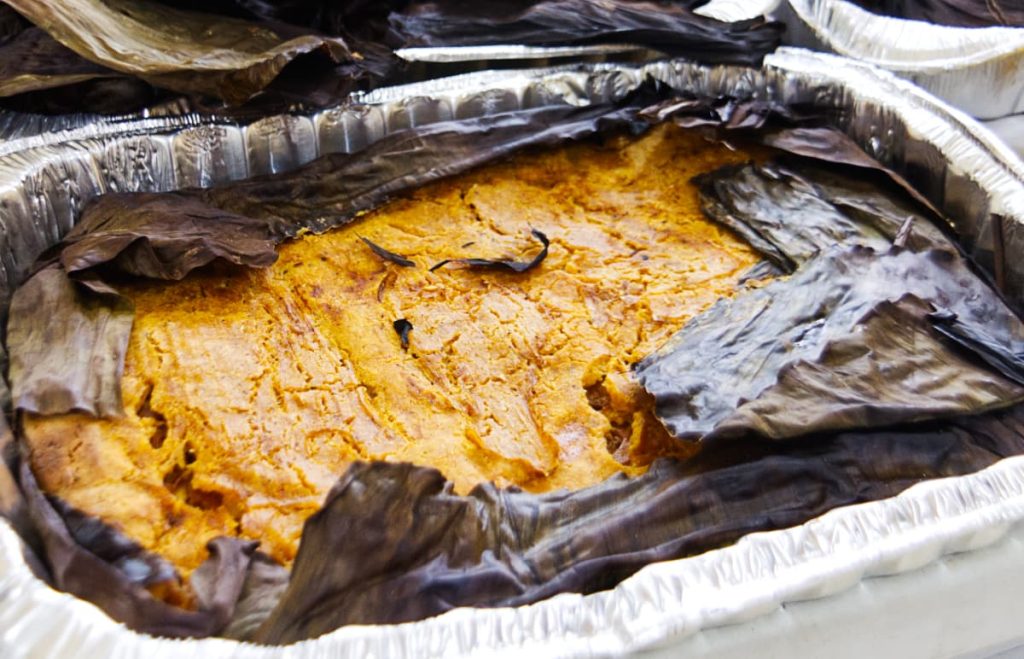
Mukbilpollo, also known simply as pib, is the traditional dish of Hanal Pixán, the Yucatecan version of Día de Muertos. It’s a large tamal made with masa, chicken or pork, and a rich recaudo sauce, wrapped in banana leaves and traditionally baked underground.
Families prepare it in honor of their ancestors and share it after visiting the cemetery. It’s one of the most unique regional foods of Day of the Dead.
8. Calabaza en Tacha (Calabaza Dulce)

Also called calabaza dulce, this dessert is made by simmering pumpkin with piloncillo (unrefined sugar), cinnamon, and cloves until tender and caramelized. Different regions prepare slightly different versions, but all are sweet, warming, and perfect for the season.
9. Sugar Skulls
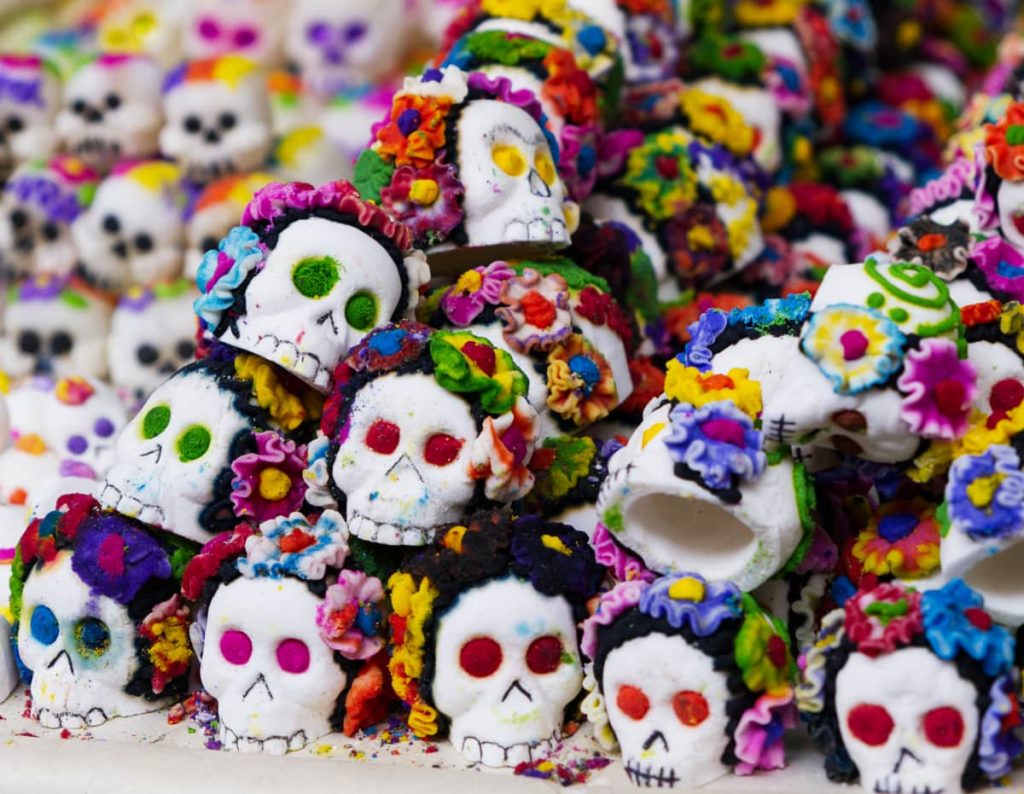
Sugar skulls, or calaveras de azúcar, are made from molded sugar. They are decorated with colorful icing and sometimes the name of the departed.
They’re a meaningful part of Day of the Dead traditions, often used to evoke joy. Many families also use sugar skulls and other fun foods (e.g. pan de canasta) to honor and remember children who have passed. It’s believed the spirits of children can play with these items on the altar.
10. Alegrías
Alegrías are bars made of puffed amaranth and honey or piloncillo. Amaranth was a sacred food for the Aztecs.
Alegrías represent joy and nourishment while honoring Mexico’s pre-Hispanic past. Placing them on the ofrenda pays tribute to ancient food traditions that are still alive today.
11. Fruit
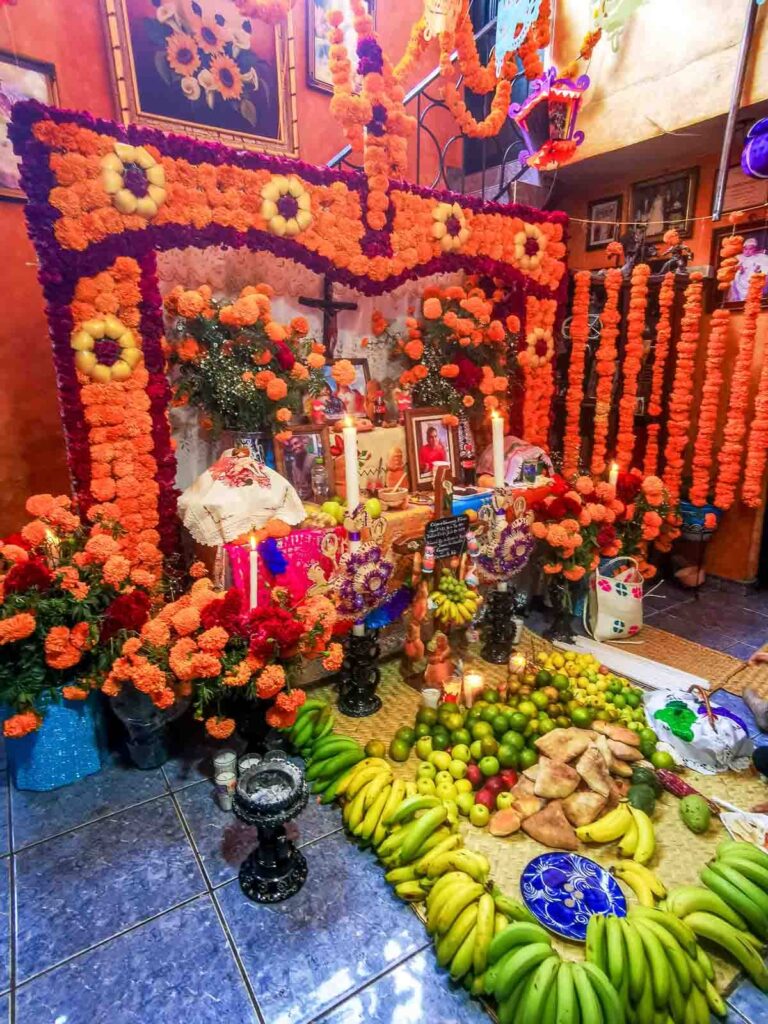
Fruit is one of the most common and accessible foods found on an ofrenda. Families often include guavas, mandarins, oranges, bananas, apples, and tejocotes, a seasonal Mexican fruit.
Their fragrance helps guide spirits home, and their bright colors add life to the ofrenda. Even families who can’t prepare complex dishes can still honor their loved ones through simple, meaningful foods.
12. Dulce de Tejocote

Tejocotes (Mexican hawthorn apples) are small Mexican fruits that are sweet and tart, with a flavor profile similar to a mix of apple, plum, and apricot.
Simmered in sugar, cinnamon, and spices, they become a fragrant, syrupy dessert. Dulce de tejocote, like dulce de calabaza, is one of the seasonal Day of the Dead foods that are used in ofrendas.
13. Atole
Atole is a warm, creamy drink typically made from corn masa, water and piloncillo. These days other flavorings like cinnamon, vanilla and nuts are commonly used, as well as different bases such as rice or wheat. It’s comforting on cool November nights and is often served alongside tamales.
The drink symbolizes nourishment and warmth — two things the spirits need after their long journey back to the living world.
14. Café de Olla
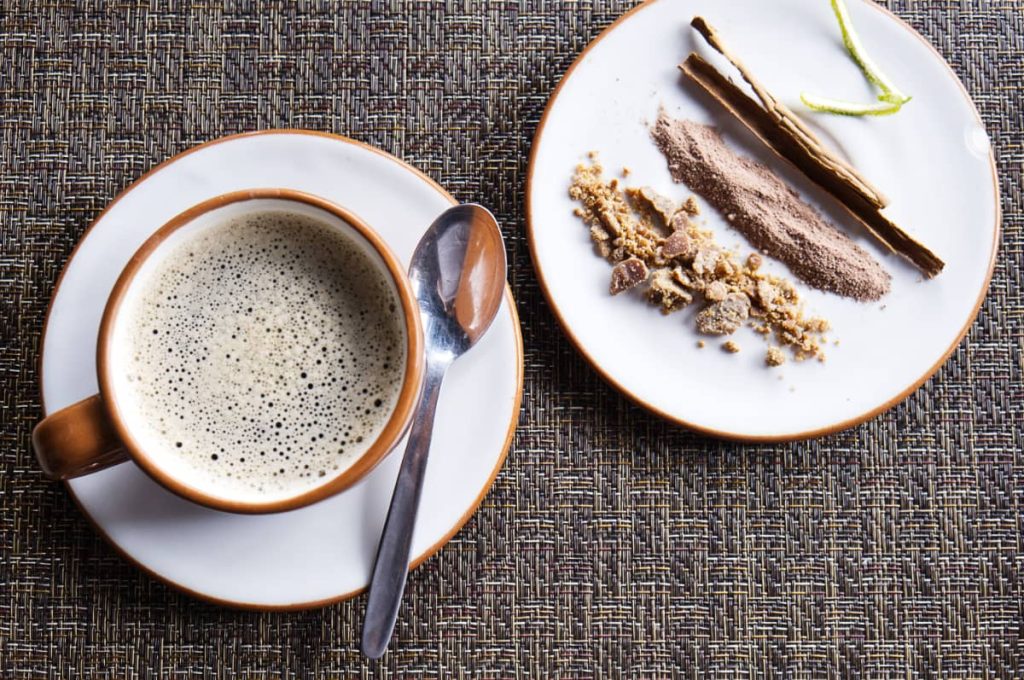
Café de olla is traditional Mexican spiced coffee brewed with cinnamon, piloncillo, and sometimes other flavorings like orange peel. Its aroma is strong and comforting, making it a natural offering.
15. Ponche
Ponche is a classic Mexican holiday drink. Everyone makes it a little differently, but it typically includes a variety of fruits: apples, tejocotes, guavas, tamarind and is sweetened with piloncillo and cinnamon. It’s a warm and comforting drink during the colder months that is believed to improve digestion.
FAQ About Day of the Dead Food and Drinks
What is the traditional food for Day of the Dead?
The most traditional food for Day of the Dead is pan de muerto. Nearly every altar across Mexico includes a variation of this bread. While families add many other traditional foods and regional specialties, such as tamales and mole negro, pan de muerto remains the centerpiece of Día de Muertos food traditions.
What is one typical food found on an ofrenda?
A typical food found on an ofrenda is fruit. While not every family has the time or money to prepare an elaborate offering, fruit is accessible in Mexico, so many families adorn their ofrendas with fragrant fruits like mandarins, guayabas, tejocotes, oranges, bananas and apples.
Why is food important in Day of the Dead traditions?
Food is important during Day of the Dead because it is believed that spirits consume the essence of the foods offered on the altar. These dishes serve to nourish them after their journey from the afterlife. Food also helps the living reconnect as they gather to share the offerings once the spirits depart.
Wrapping Up the Food of Day of the Dead
Preparing traditional foods for Day of the Dead is more than symbolic. It’s a heartfelt invitation for your loved ones to return for a visit.
From elaborate pan de muerto or mole negro down to a humble but fragrant orange, each food has either a special meaning or reason to be included in a Día de Muertos ofrenda.
Whether you prepare a beloved family recipe or offer a simple dish with care, Día de Muertos food is all about remembrance and sharing a connection to your ancestors and loved ones who have passed.
Don’t be afraid to include your own traditional dishes on your ofrenda. Prepare something your loved one’s particularly enjoyed in life!
