
10 Interesting Museums in Cuenca Ecuador to Visit

Cuenca museums reveal the city’s layered identity by connecting its history, and traditions.
During my 10 days in the city, I set out to explore a variety of museums. Some impressed me with their scale, others with their creativity, and a few became highlights of my trip.
What surprised me most was the variety of museums in Cuenca. You’ll find Inca ruins and ancient artifacts as well as Panama hats, modern art, and even a cacao museum.
Another pleasant surprise? Many museums in Cuenca Ecuador are free to enter.
In this guide, I’ll share the most interesting Cuenca museums and what makes each one stand out so that you can decide which ones are worth adding to your itinerary.

This article may contain affiliate links. This means if you click a link on my website and make a purchase, I earn a commission at no additional cost to you. For full information, please see my disclaimer here.
1. Museo Pumapungo
📍 Map
⌚ Hours: Tues-Fri 8 am to 5 pm, Sat-Sun 10 am to 4 pm
💵 Cost: Free
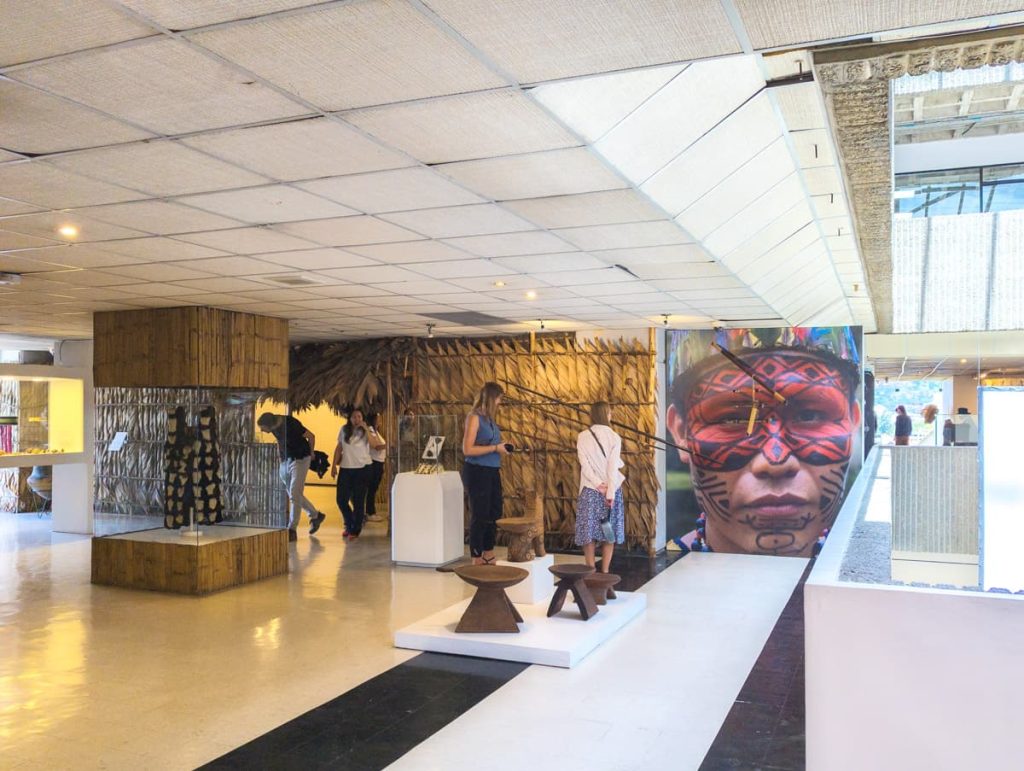
Easily the most popular museum in Cuenca, Museo Pumapungo is a discovery of Ecuador’s past. Inside, the exhibits trace the country’s history through its indigenous cultures, with displays on daily life, rituals, and food. You’ll see artifacts ranging from ceramic vessels and utilitarian pieces to weavings and elaborate feather headdresses.
Upstairs, much of the focus is on Amazonian communities, including tzantzas or shrunken heads once made by the Shuar people. I really enjoyed the costumes and traditions on display, along with a vibrant Tigua painting from the area near Laguna Quilotoa.
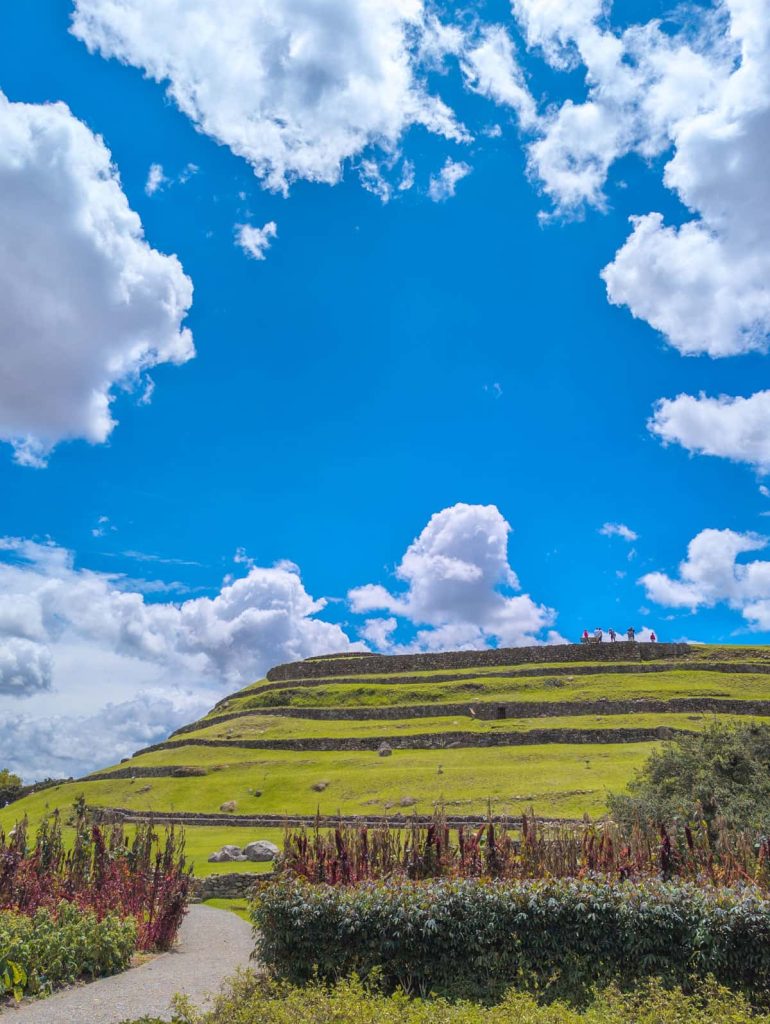
Step outside, and the museum opens onto the archaeological remains of an Inca city. What first looks like a scattering of low walls reveals its scale as you walk downhill and look back, often with llamas grazing across the terraces. There’s also a small but intriguing garden of native plants, such as red amaranth, plus an aviary of rescued tropical birds.
I share a more detailed guide in this article about visiting Museo Pumapungo, but in short, this is a Cuenca museum you don’t want to miss.
2. Popular Art Museum Cuenca
📍 Map
⌚ Hours: Mon – Fri 8 am to 5 pm, Saturdays 8 am to 4:30 pm
💵 Cost: Free
Located along the river, Centro Interamericano de Artesanías y Artes Populares (CIDAP) makes its home in a colonial-era mansion turned cultural hub.
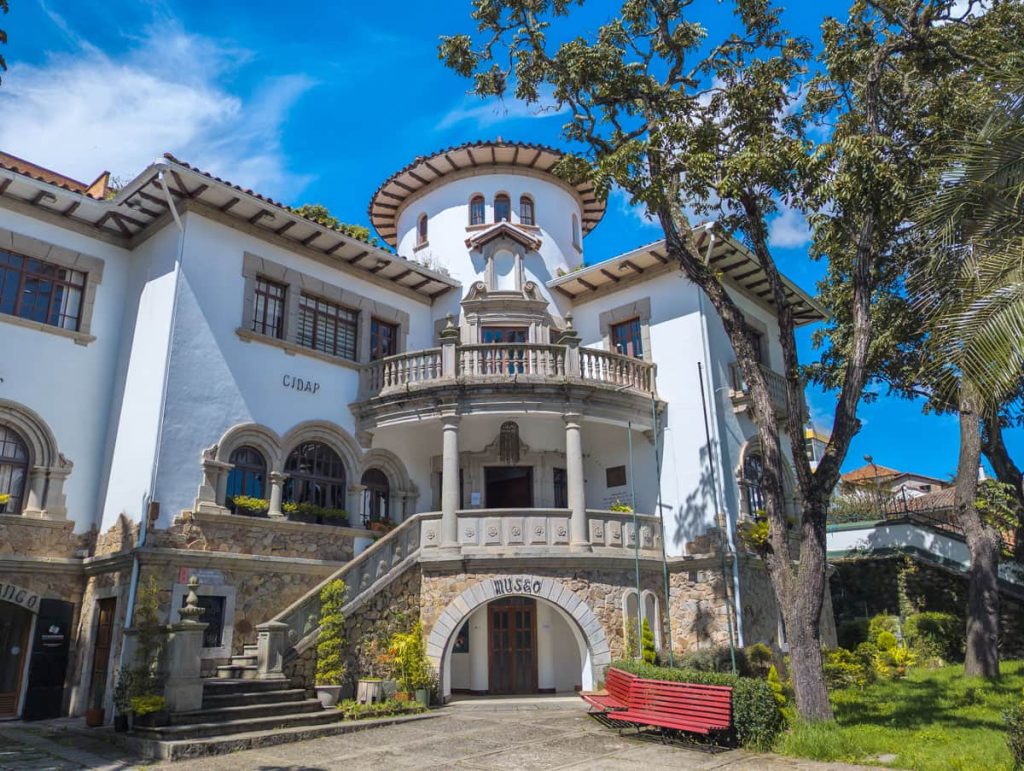
It’s more than a museum. CIDAP positions itself as a living cultural space through the rotating displays and artisan workshops aimed at preserving craft heritage and supporting artists.
Its collection of over 8,000 artisanal and folk art pieces shines a spotlight on craft traditions from Ecuador and across the Americas. Inside you’ll find temporary exhibits as well as a small shop offering pieces made by local artisans.
During the 10 days I spent in Cuenca, the museum was unfortunately closed for an exhibit change. I checked multiple times because I absolutely love the Popular Art Museum in Mexico City. If you’re interested in Latin American folk art, I recommend adding this to your list of things to do in Cuenca.
3. Museo de las Culturas Aborigenes
📍 Map
⌚ Hours: Open Mon-Fri 9 am to 5:30 pm, Saturdays 10 am to 2 pm
💵 Cost: $4 USD
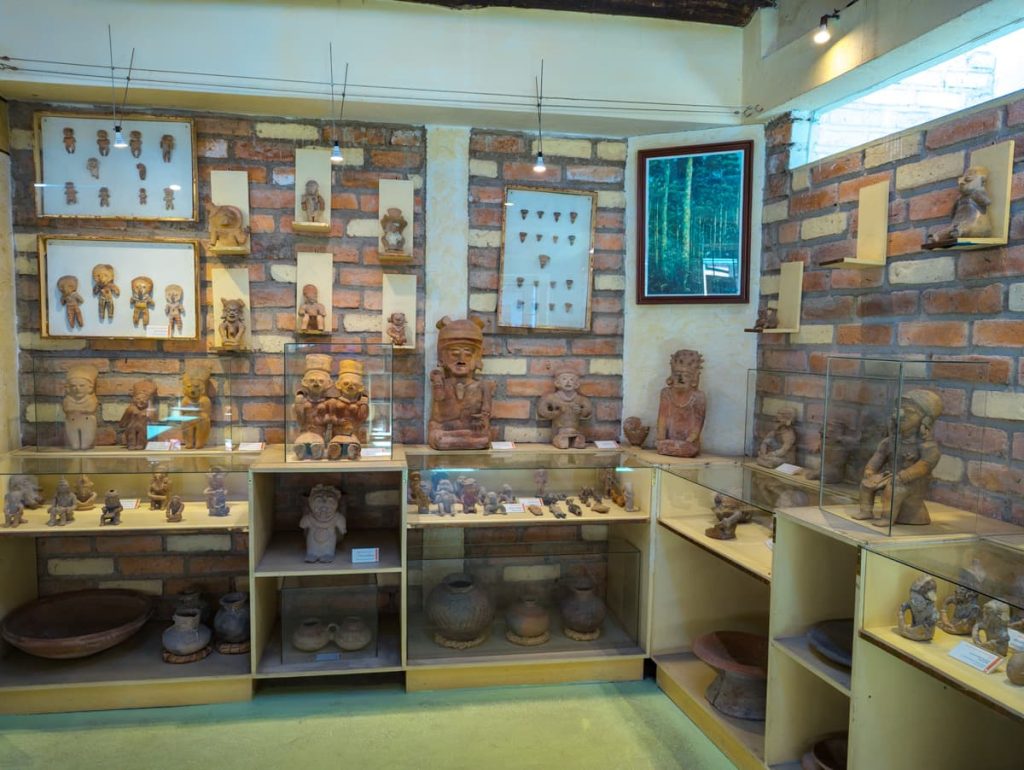
This Cuenca museum really surprised me with the sheer volume and variety of archaeological pieces on display. It started as the private collection of Juan Cordero Íniguez and now includes more than 5,000 artifacts from Ecuador’s pre-Hispanic cultures.
The exhibits are arranged in chronological order and span thousands of years of history, from early stone tools to detailed pottery, jewelry, and ceremonial objects. You’ll find pieces from coastal cultures like Valdivia and Machalilla, highland groups such as the Cañari and Puruhá, and even the Inca.
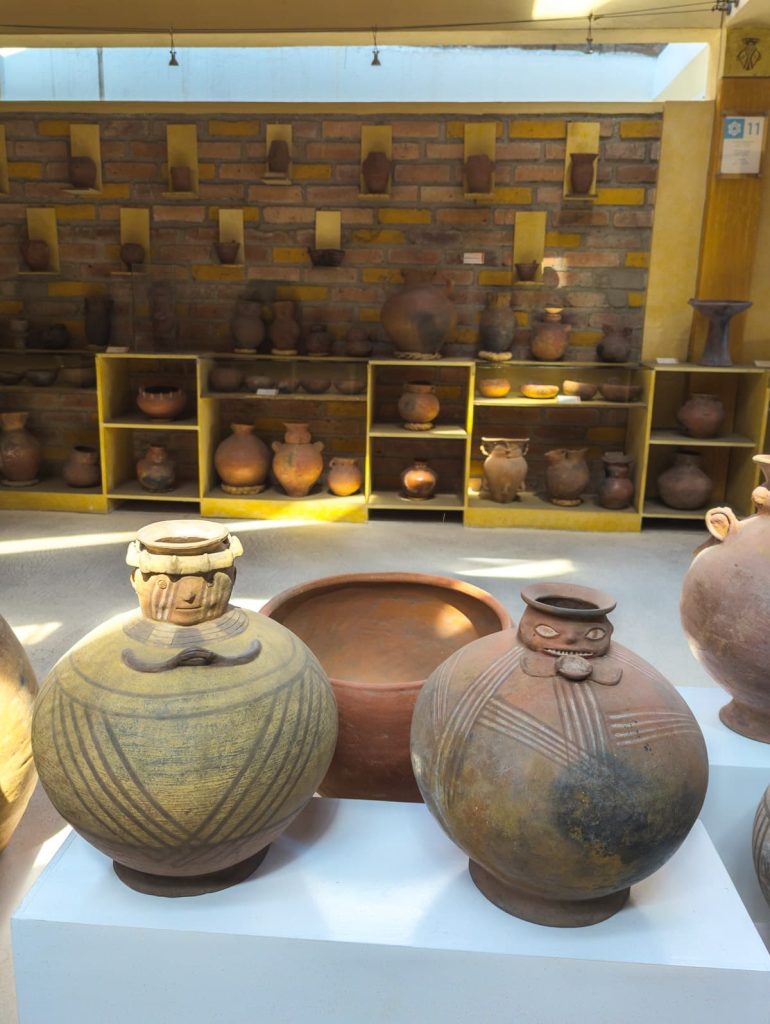
The museum gives guided tours from 9 am to 1 pm and 3 pm to 5 pm every day. Or you can read the guidebook for more info. Regardless it’s an impressive look at Ecuador’s ancient cultures.
Panama Hats Cuenca
Cuenca is one of the best places in Ecuador to learn about and buy an authentic Panama hat. I visited both of the Panama hat museums in Cuenca, expecting one to stand out. But they’re actually quite different, and each one offers its own perspective.
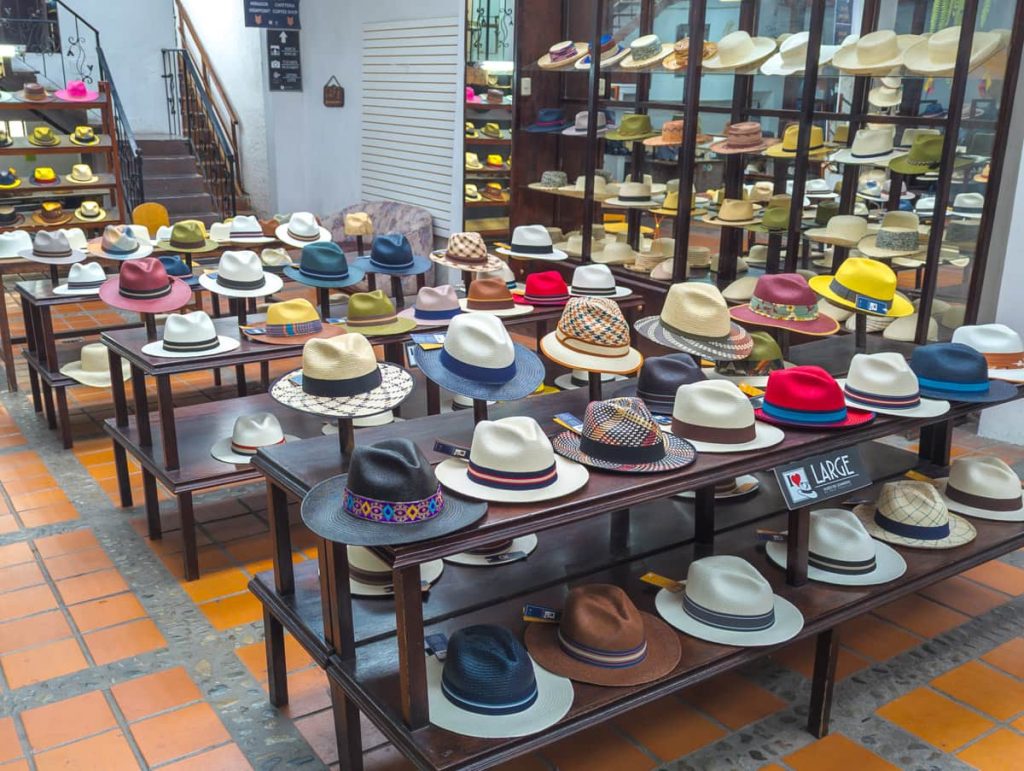
The Municipal Hat Museum focuses on the broader history of Panama hats in Cuenca, including their cultural significance and production. The Museo del Sombrero de Paja Toquilla, on the other hand, is a Panama hat factory run by a local family, where you can see the machinery and shop for a high-quality hat.
Here’s what you can expect at each one.
4. Museo Municipal de la Paja Toquilla y el Sombrero
📍 Map
⌚ Hours: Mon-Sat 9 am to 5 pm
💵 Cost: Free
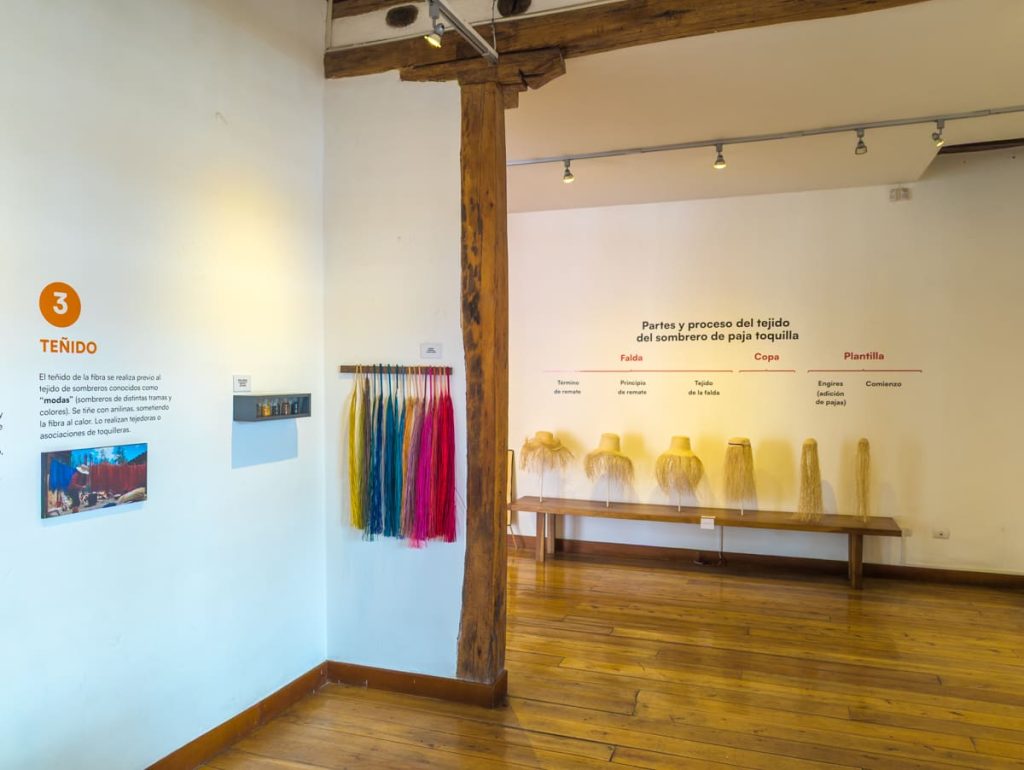
The Municipal Panama Hat Museum in Cuenca focuses on the history of toquilla straw weaving and how the region became a global hub for hat production.
The story traces back to 1630, when an Indigenous weaver from Jipijapa began crafting straw hats based on Spanish designs. By the 1800s, the industry had exploded. By the mid-19th century, toquilla hats were being shipped to Europe and the United States, with export numbers reaching half a million hats annually from the port of Guayaquil.
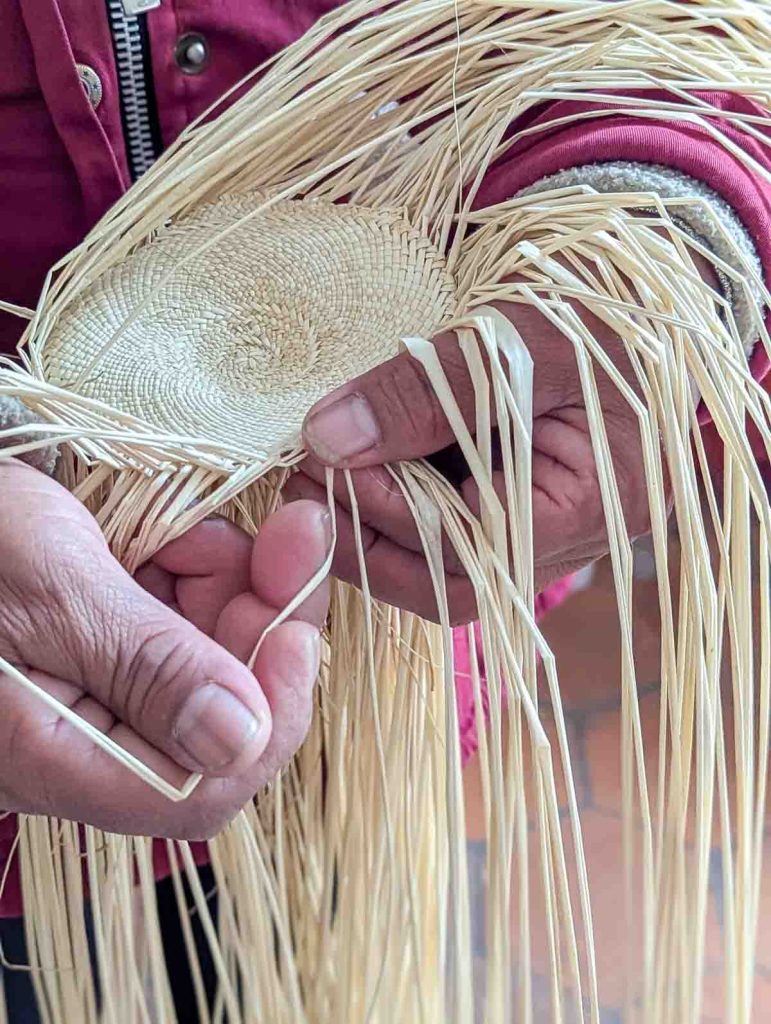
Known as the “Toquilla Hat Boom,” the late 1800s to mid-1900s marked a period when the hat industry put Cuenca on the international map. For a time, these hats even outpaced cocoa as one of Ecuador’s top exports.
The museum presents the history through clear visuals and well-organized exhibits, highlighting how hat making shaped the city’s economic and cultural identity. If you want to understand the roots of Panama hats in Cuenca, this is the place to start.
5. Museo Del Sombrero De Paja Toquilla
📍 Map
⌚ Hours: Mon-Fri 9 am to 6:30 pm, Sat 9 am to 5 pm, Sun 9 am to 3 pm
💵 Cost: $1, returned as credit in the store
If you’re looking to buy a quality Panama hat in Cuenca, this is the place to go. While technically a museum, it’s really more of a working hat shop where you can see the tools and machinery used in the process.
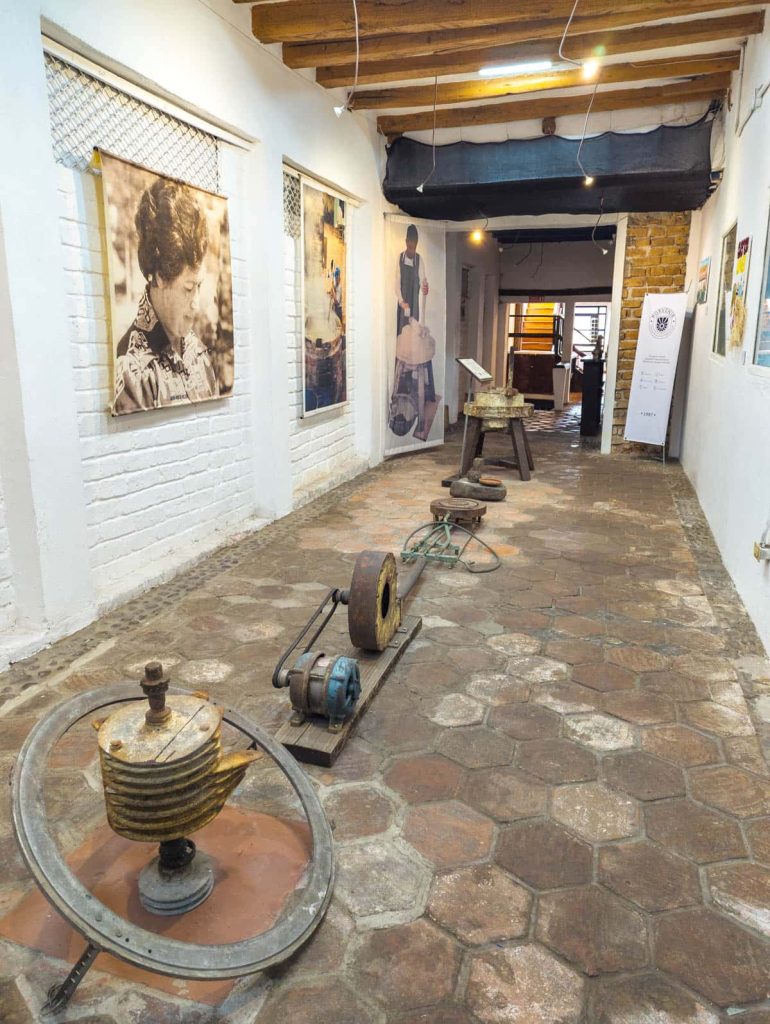
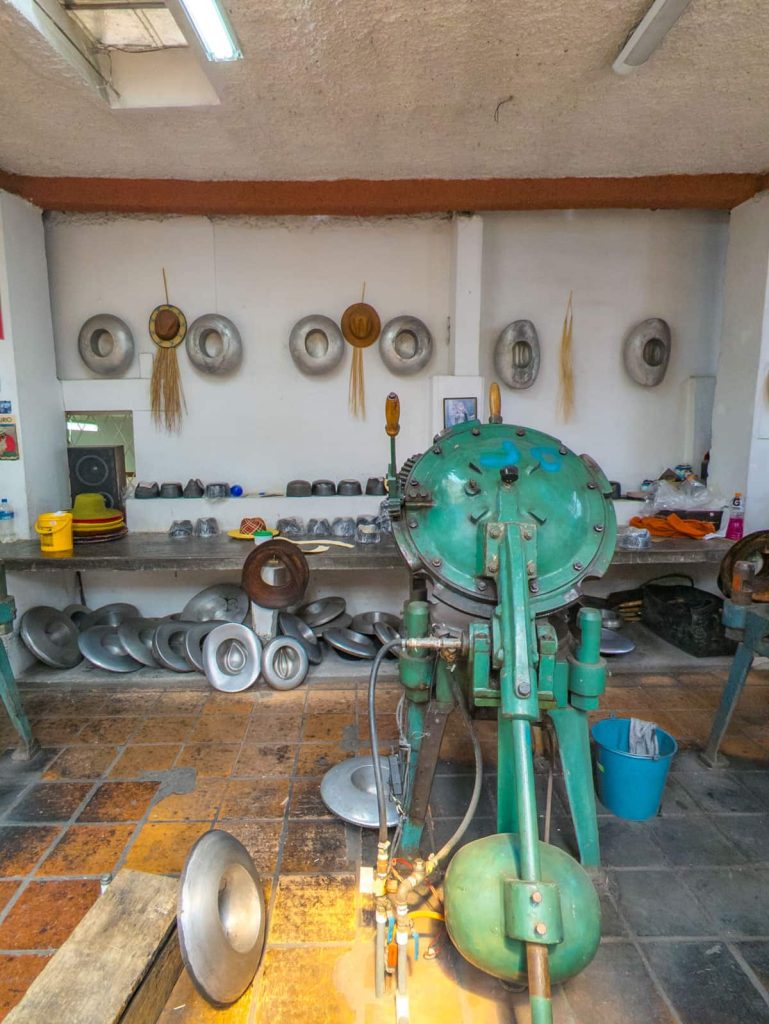
As you walk through, you’ll see hat molds and presses used to shape and finish the hats. There’s also a small photo exhibit in the back, which focuses on the family who started the business.
This Panama hat museum also made my list of places to go shopping in Cuenca. And if you head upstairs, there’s a café with a small mirador overlooking the city.
6. Modern Art Museum in Cuenca
📍 Map
⌚ Hours: Mon-Fri 9 am to 4:30 pm, Sat-Sun 9 am to 5 pm
💵 Cost: Free Entry
The Modern Art Museum in Cuenca showcases Ecuadorian artists of today in a traditional white building with blue trim and terracotta roof tiles. It’s tucked on the edge of centro, and a friend who lives in the city suggested it was worth a visit. Since admission is free, I popped in while wandering through town.
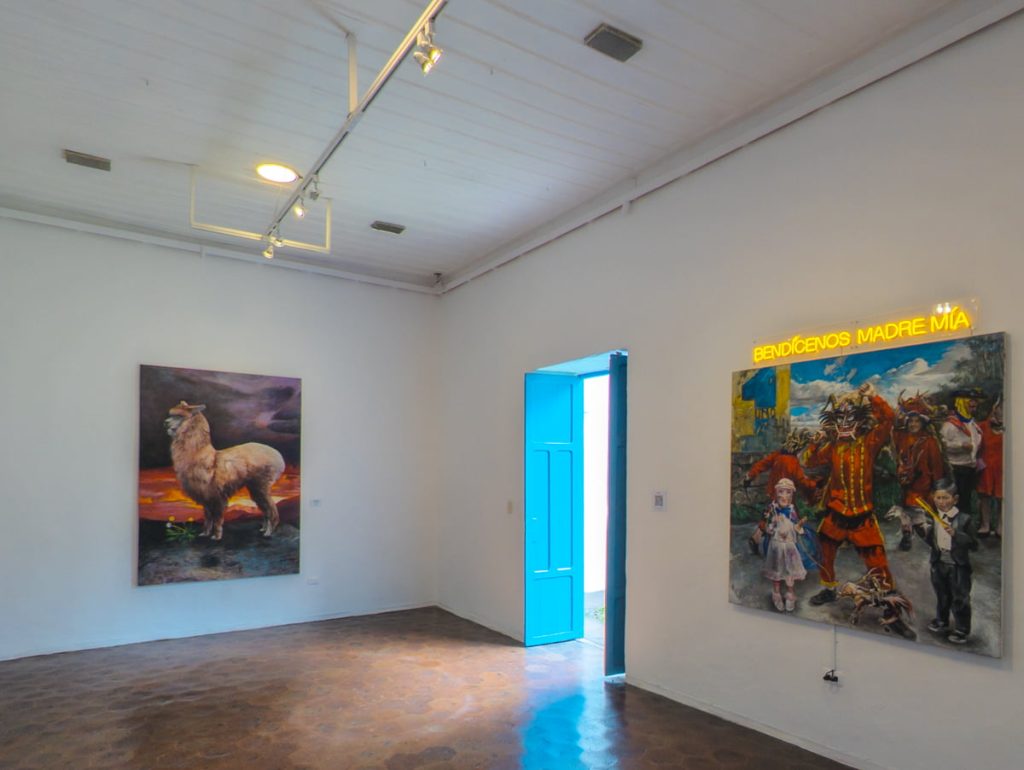
The exhibition rooms are arranged around a quiet grassy courtyard, with each one hosting a different installation. When I visited, about half the rooms featured video art, while another section focused on female artists. To be honest, I wasn’t especially impressed by what was showing but the exhibits rotate, so your experience may be completely different.
That said, the building itself is interesting. With its colonial architecture and peaceful courtyard, it’s a quiet place to take a quick break from the city. I also found the park across the street to be a peaceful stop for a rest.
7. Archeological Museum, Cuenca University
📍 Map
⌚ Hours: Mon-Fri 9 am to 12 pm, 3 pm to 6 pm
💵 Cost: Free
Inside the University of Cuenca’s House of Art, this museum is divided into four distinct spaces: archaeology, geology, the university’s own history, and a gallery for temporary exhibits. It leans a bit academic, but there’s plenty here to catch your attention.
The archaeological collection is the real highlight. With more than four thousand pieces, it spans Ecuador’s pre-Hispanic cultures—from Valdivia and Machalilla on the coast to highland groups like the Cañari and even the Inca. Pottery, tools, and ceremonial objects bring thousands of years of history into one place, making it one of the city’s most impressive reserves.
The permanent room focuses on the university itself, with exhibits that touch on themes like secularization, gender, and autonomy since its founding in 1867. The geological reserve adds another layer with minerals and fossils collected both locally and abroad. And in the temporary gallery, rotating exhibits by local and international artists keep the space tied to the present day.
Looking to relax? Read my guide to the best hot springs in Cuenca.
8. Museo Remigio Crespo Toral
📍 Map
⌚ Hours: Mon-Fri 10 am to 4 pm, Sat-Sun 10 am to 1 pm
💵 Cost: Free
Located in a historic home overlooking the river, this museum blends local history, literature, and personal legacy. The neoclassical building once belonged to Remigio Crespo Toral, a celebrated poet, diplomat, and intellectual who helped shape the city’s cultural identity in the early 20th century.
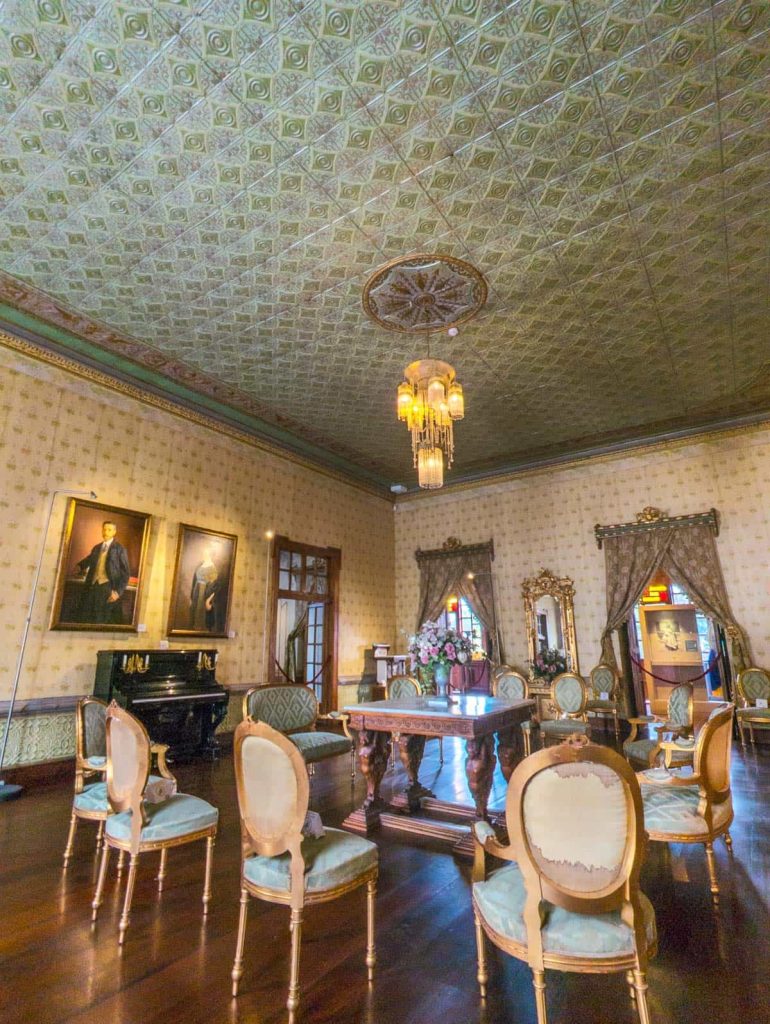
Walking through the main floor feels like stepping into another era. The original furniture, ornate ceilings, hand-painted wallpaper, and oversized mirrors are all preserved. And small exhibits touch on the broader history of Cuenca.
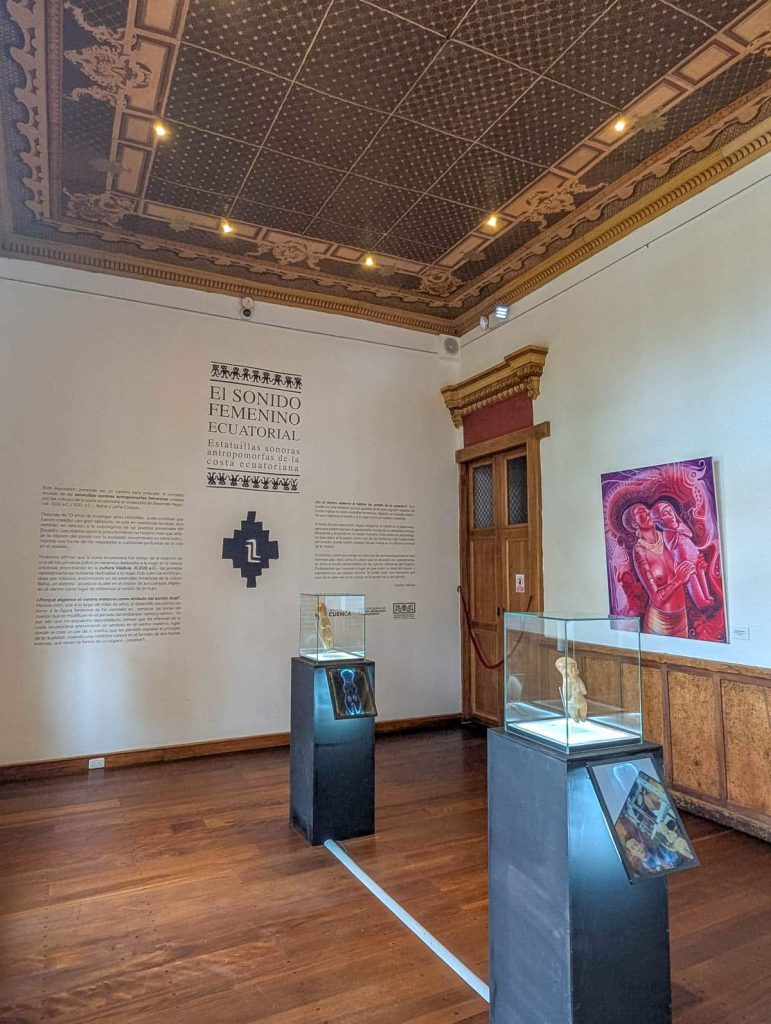
When I visited, there was also a fascinating temporary exhibit on the feminine sound in pre-Hispanic Ecuador, featuring anthropomorphic figurines from the coast. Upstairs, you’ll find exhibits dedicated to other Ecuadorian writers and poets, while the lower floor showcases a mix of pre-Hispanic and religious artifacts.
Remigio Crespo Toral wasn’t just a poet—he founded literary journals, served as rector of the University of Azuay, and created Cuenca’s Festival de la Lira, which drew inspiration from Greek mythology and aimed to elevate the city’s literary scene.
There’s also a café on site, and the views of the river below make it a peaceful place to take a break after exploring the museum.
9. Prohibido Centro Cultural
📍 Map
⌚ Hours: Mon-Sat 10 am to 8 pm
💵 Cost: $2.50 USD
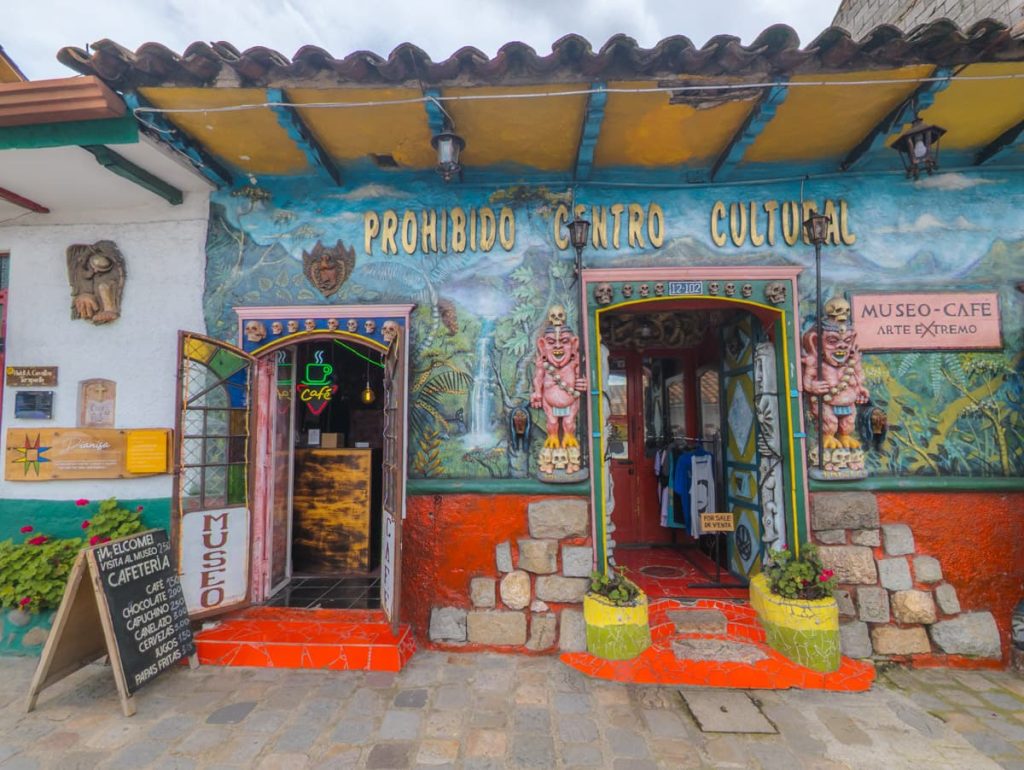
Perhaps the name gave it away, but Prohibido Centro Cultural is the most unusual museum in Cuenca. Created by artist Eduardo Moscoso, it’s a space dedicated to art that challenges boundaries and pushes the residents of this traditionally conservative city to think differently.
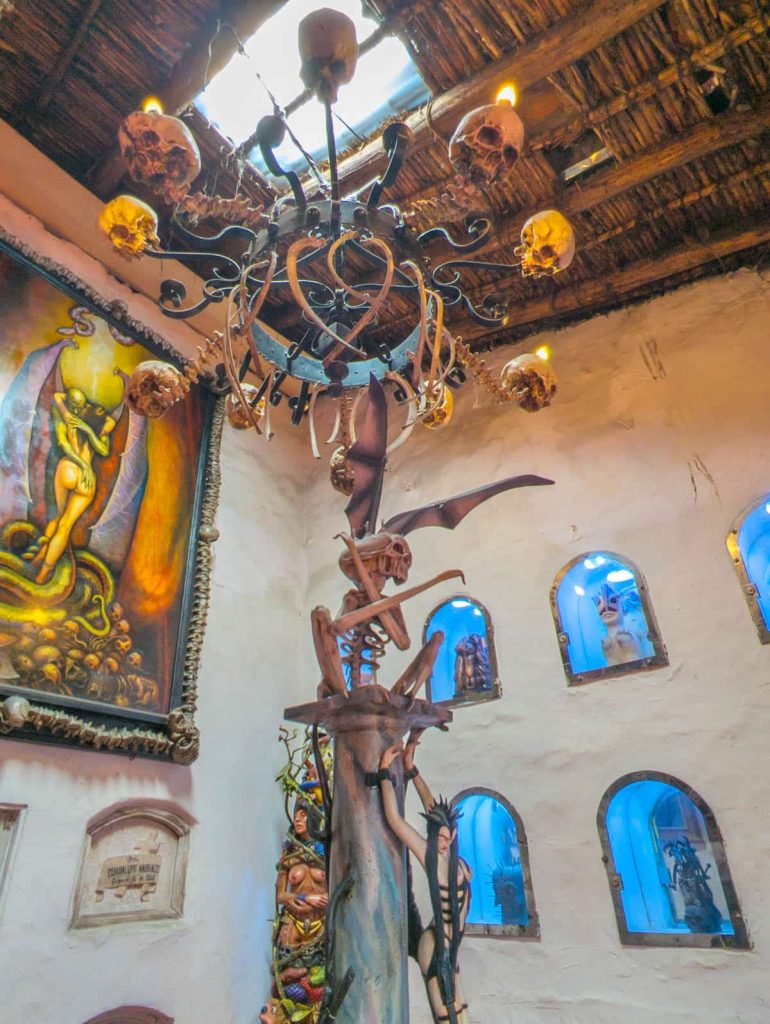
When I visited, his son was the one who greeted us at the door and gave a quick tour. He now works alongside his father, continuing a similar vision for the space. Inside, you’ll find strange, sometimes unsettling pieces—from gothic sculptures to skeletal forms and imagery that leans into the taboo with themes of death, sexuality, and the surreal.
Even the outside hints at what’s inside. The facade is splashed with a peaceful nature scene while skulls line the doorways and figures cling to the walls. There’s also a small store where you can purchase graphic tees and stickers.
10. Cacao Museum Cuenca
📍 Map
⌚ Hours: Every day, 10 am to 7 pm
🍫 Tastings: Tues-Sat, 10 am to 1 pm w/ appt
💵 Cost: $7.50 USD adults, $5 children up to 10 years
The Cacao Museum in Cuenca dives into Ecuador’s long history with one of its most important crops. It’s an interactive space where you can learn how cacao is grown, harvested, and transformed into chocolate. Displays include colorful murals, a papier-mâché cacao tree, and hands-on exhibits that let you see, smell, and touch the beans before tasting the finished product.
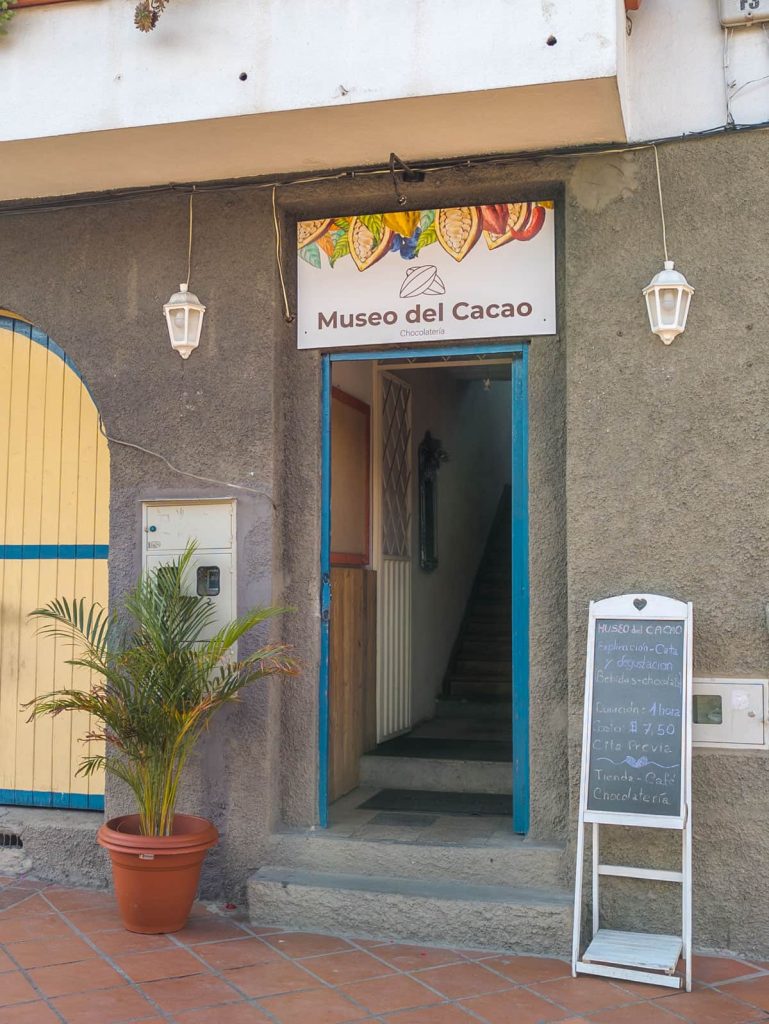
The experience includes a guided explanation of cacao’s cultural significance along with tasting samples. At the front, there’s a shop and café where you can pick up bars or sip hot chocolate, but the real highlight is following cacao’s journey from bean to bar in a fun, approachable way.
You need to make an appointment for the tasting and tour which you can do in person or via Instagram. I was told the hour long tasting is available Tuesday-Saturday 11 am to 1 pm only with a minimum of 2 people, or 4 people when requesting an English speaking guide.
Final Thoughts on Cuenca Museums
Exploring the museums in Cuenca is a way to connect with the city’s layered identity. Whether you’re tracing ancient cultures, learning about the history of Panama hats in Cuenca, or tasting cacao, each museum adds a different perspective to your visit.
Cuenca museums offer a balance of history, creativity, and local pride that deepened my experience of the city. They remind you that Cuenca isn’t only its beautiful streets. It’s also a place where stories, traditions, and ideas are preserved and shared in ways that make the city even more compelling to explore.