
Quilotoa Lake: How to Visit Laguna de Quilotoa Ecuador

Laguna de Quilotoa is where volcanic power meets raw beauty. Standing at the rim, the vast landscape and sense of tranquility creates one of the most striking places to connect with nature in Ecuador.
But figuring out how to visit Quilotoa from Quito was a little confusing to me. Should you take a Quilotoa Lake day trip or stay overnight? And what exactly is the Quilotoa Loop?
After spending time at the lake and learning more from locals and travelers along the way, I’ve put together this guide to help you decide the best way to get to Laguna Quilotoa for you.
You’ll find tips on transportation, altitude, all the things to do, and whether staying overnight makes sense. Here’s everything you need to know before you visit Quilotoa Ecuador.

This article may contain affiliate links. This means if you click a link on my website and make a purchase, I earn a commission at no additional cost to you. For full information, please see my disclaimer here.
Quilotoa Lake Day Trip or Stay Overnight?
If you don’t plan to do a multi-day hike, the first thing you need to decide is whether to take a day trip to Quilotoa or stay overnight.
If you’re not planning to hike around the crater lagoon, book a Quilotoa day trip. It’s typically enough time to take in the views and hike down to the water. Plus you will make another stop to see the Ecuadorian folk art paintings in Tigua (see things to do).
I chose to stay overnight since I was slow traveling for six weeks in Ecuador, but it’s definitely not a must, especially with the risk of altitude sickness.
How to Get to Quilotoa Ecuador
You can get to Quilotoa by bus, car, tour, or a multiday trek. The right option for you depends on how much time you have and the kind of experience you want. Here’s a quick look at each option before we get into the things to do in Quilotoa Lake.
Bus to Quilotoa from Quito (via Lactaguna)
The first thing to know is that there is not a direct bus to Quilotoa from Quito. You’ll first need to take a bus to Latacunga from Quito’s south bus terminal, Quitumbe.
In Latacunga, buses and vans depart to Zumbahua regularly. And from there you’ll take a colectivo to the laguna. But if your timing lines up, there is a Latacunga to Quilotoa direct bus a few times per day.
I timed it to catch one of these direct buses to Quilotoa which I recommend unless you want to plan you visit for the market day in Zumbahua (more on that later). Since departures are limited, it’s best to check the schedule ahead and get to the terminal early if you want a seat.
Quilotoa Lake Tour
A tour is the simplest way to visit Quilotoa and see more than just the lake. Along the drive, you’ll pass through the stunning Andean landscape and catch views of Cotopaxi.
When you book this Quilotoa tour, it includes a stop in Tigua, a town known for its colorful sheepskin paintings. You’ll also visit a local home for a glimpse into daily life in the Andes.
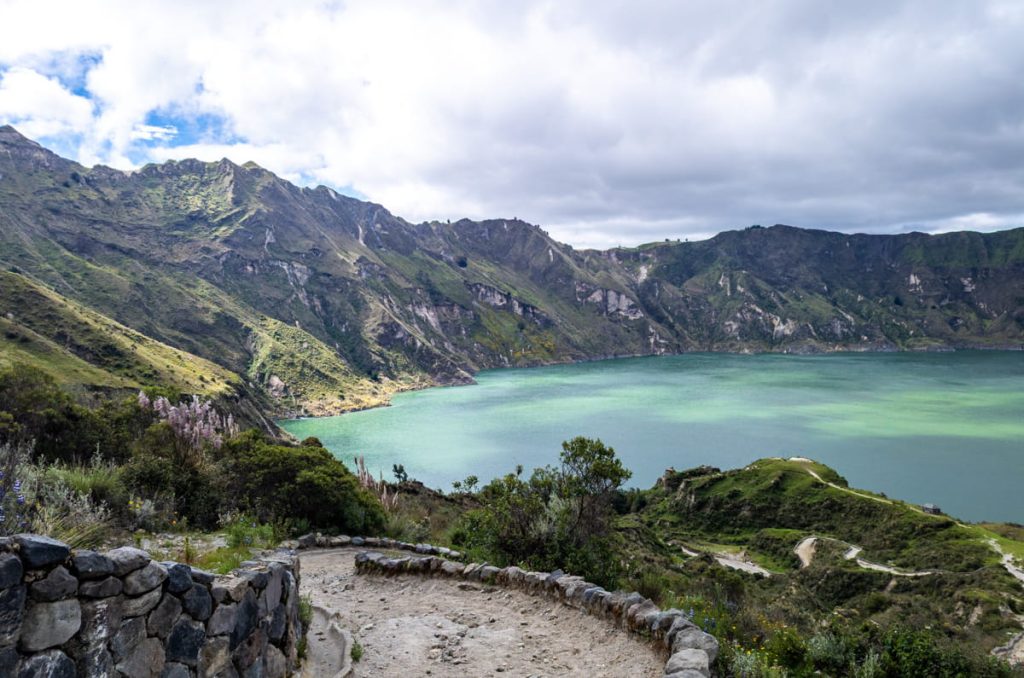
At the lake, you’ll have time to enjoy the views from the top and hike down to the lagoon. With a guide, entrance fees, transport, and lunch included, it’s a stress-free way to experience Quilotoa.
By Car
Driving to Quilotoa is an option if you’re comfortable navigating mountain roads in Latin America. The obvious benefit of renting a car is freedom. You can stop in small towns or pull over for photos as you wind through the Andes.
Quilotoa Altitude
Quilotoa Lake is at an altitude of about 3,900 meters (12,800 feet). At this height, you may feel the effects of the altitude, especially if you’re not acclimatized. Shortness of breath, lightheadedness, or fatigue are common symptoms, so it’s best to take it slow and stay hydrated.
When I visited, I started to feel lightheaded that evening after hiking down to the lagoon. I usually don’t get altitude sickness, but I think spending prolonged time at such a high elevation had an effect on me. I decided to drink a canelazo for the sugar, which helped me feel better before going to bed.
7 Fun Things to Do in Quilotoa
The crater lake is stunning from above but there are more ways to experience Quilotoa than admire the view. You can climb down to the lake, go kayaking, or explore nearby villages. Here are some fun things to do in Quilotoa.
1. Laguna de Quilotoa Viewpoint
Most people head straight for the viewpoint to take in their first glimpse of Laguna Quilotoa. When I arrived towards the end of the rainy season, the sky was cloudy and the lake looked dull. But in the afternoon, the shifting clouds and wind made the turquoise color dance across the lake.
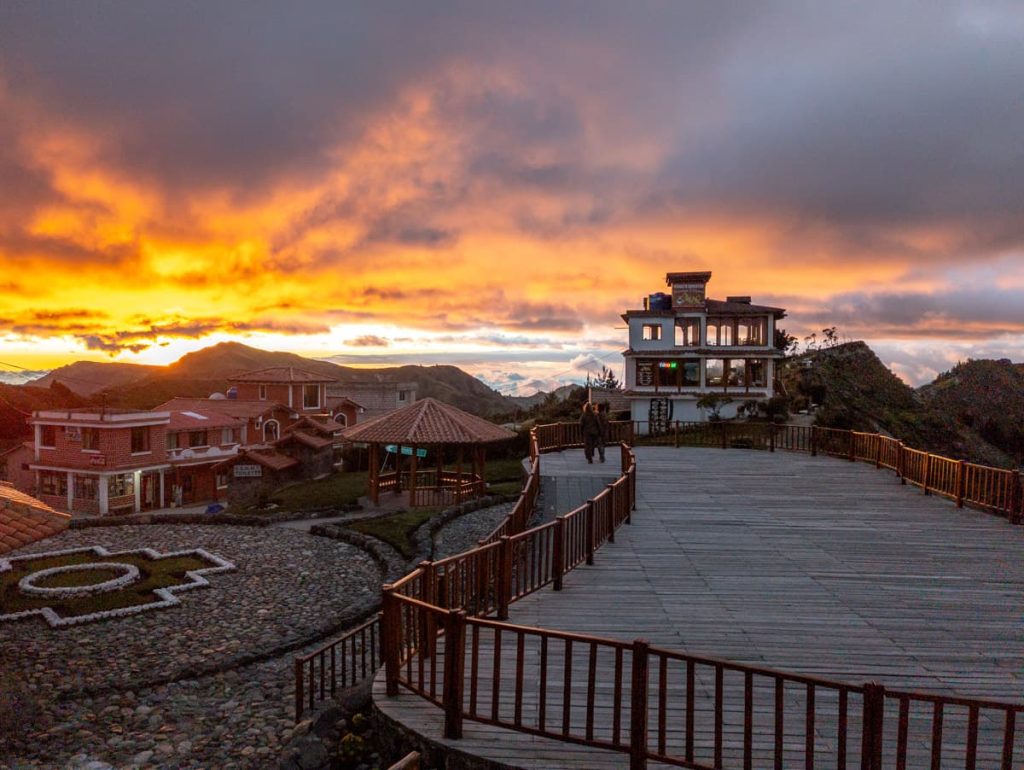
Tip – I also returned for sunset, which I highly recommend if you stay overnight. The wind picked up even more and carried puffy clouds across the sky, glowing orange in the fading light.
2. Hike Down to Quilotoa Crater Lake
It takes about 30–45 minutes to hike down into the crater, longer if you stop for photos (which if you’re like me, you will). The trail is maintained, but the loose sandy rock makes it tricky in places. I slipped once myself and watched another hiker do the same. Add in the occasional pile of mule dung and it becomes an adventure.
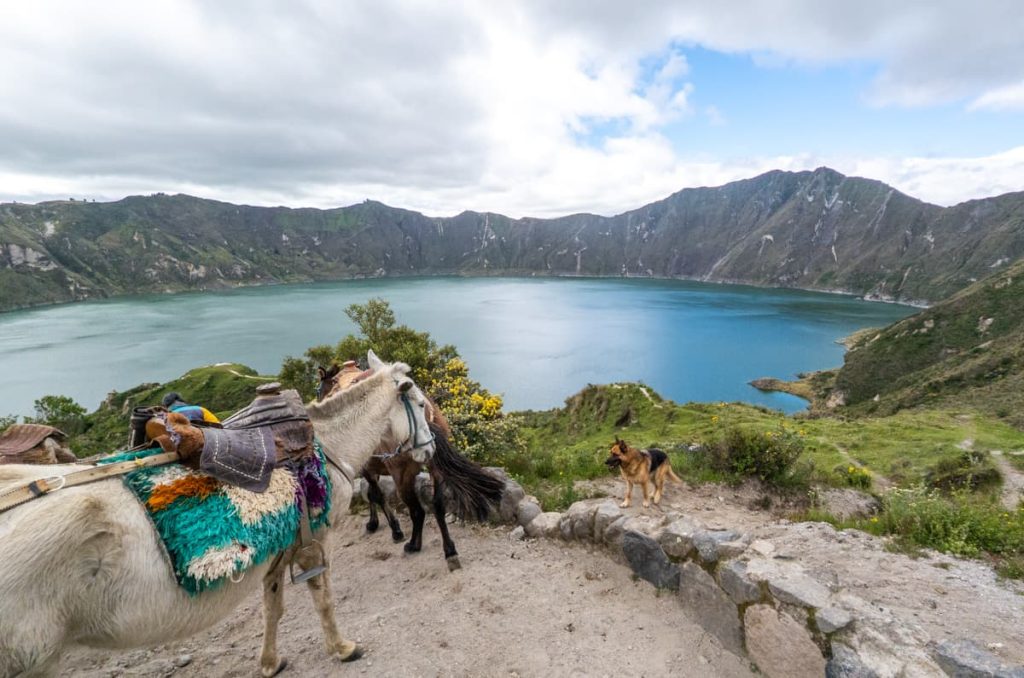
But the real challenge is the way back up. At nearly 3900 meters, the altitude makes for a slow climb (1–1.5 hours) with plenty of breaks to catch your breath. If you don’t feel up to it, mules are available for about $10 to carry you back to the top. Take your time on the way down. There are several viewpoints and plants unique to the páramo landscape.
3. Kayak on Laguna Quilotoa
At the edge of the lake, you can rent a kayak for $3 and paddle out to spot steam or bubbles rising from the center of the volcanic lake. When I visited, strong winds made kayaking unrealistic — technically possible, but the look on the attendant’s face told me I’d be crazy to try.
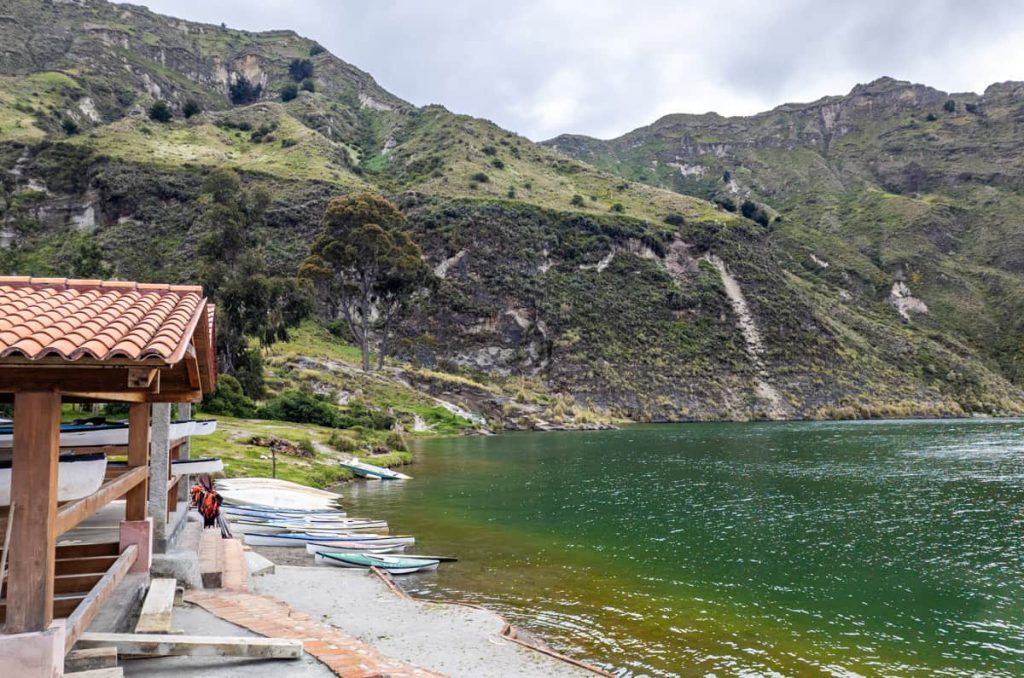
Even if you skip the kayak, it’s still worth spending time by the water. I walked along a path through the brush that led to a quiet spot to enjoy the lagoon. There is a small snack stand, bathrooms, and lockers available at the bottom. You can also bring a tent and camp for free (more details in where to stay in Quilotoa).
4. Hike Laguna Quilotoa Rim
The Quilotoa lake hike around the rim is a 12 km (7.5 mi) loop that takes about 5 hours to complete. The trail climbs up and down uneven terrain with steep drop-offs in places. And the high altitude makes it even more demanding. It’s best to decide on the day whether to attempt it based on the wind conditions.

Before I traveled to Quilotoa, I told myself I’d decide about the laguna hike once I arrived but had no idea it would be because of the wind. The first day I hiked down to the lake and back up, and the wind was strong but manageable. By the next morning, though, it had picked up even more, and I knew it wasn’t a good day for the ridge hike.
If you’re unsure about doing the entire loop, I suggest hiking part of the rim to the Mirador Shalalá (map). This community-built wooden and glass platform juts out from the cliffside, giving you a different perspective of the lagoon without committing to the full hike.
5. Shop for Handicrafts
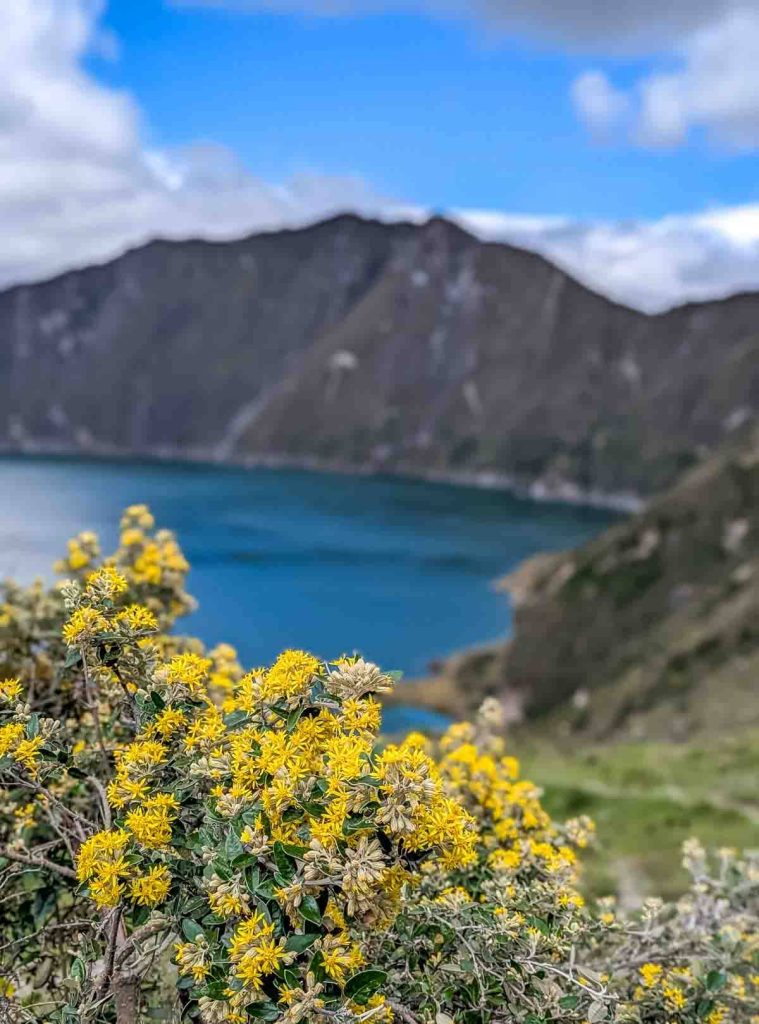
Quilotoa village has a small indoor market where locals sell their work. Woven hats and scarves are the most popular buys, especially for visitors unprepared for the wind and cold. You’ll also find colorful masks and playful souvenirs like guinea pig toys.
Read Next: 7 Best Quito Day Trips
6. Saturday Market in Zumbahua
Every Saturday, the mountain town of Zumbahua fills with people from the surrounding villages who come to buy, sell, and trade. You’ll find everything from fresh produce to woven goods and even livestock in the busy town square. It’s considered one of the best markets in Ecuador to visit and a vibrant snapshot of daily Andean culture that’s worth planning your trip around.
7. Visit the Artisans in Tigua
The small town of Tigua is home to one of Ecuador’s most distinctive art traditions. Tigua paintings are brightly colored folk scenes painted on sheepskin, often depicting Andean life, Pachamama, the condor, and mountain scenes.
The style began with Don Julio Toaquiza, who in the 1970s shifted the community’s painting tradition from masks and drums to the canvas. Today his art is displayed in collections around the world, including a piece at the Pumapungo Museum in Cuenca Ecuador.
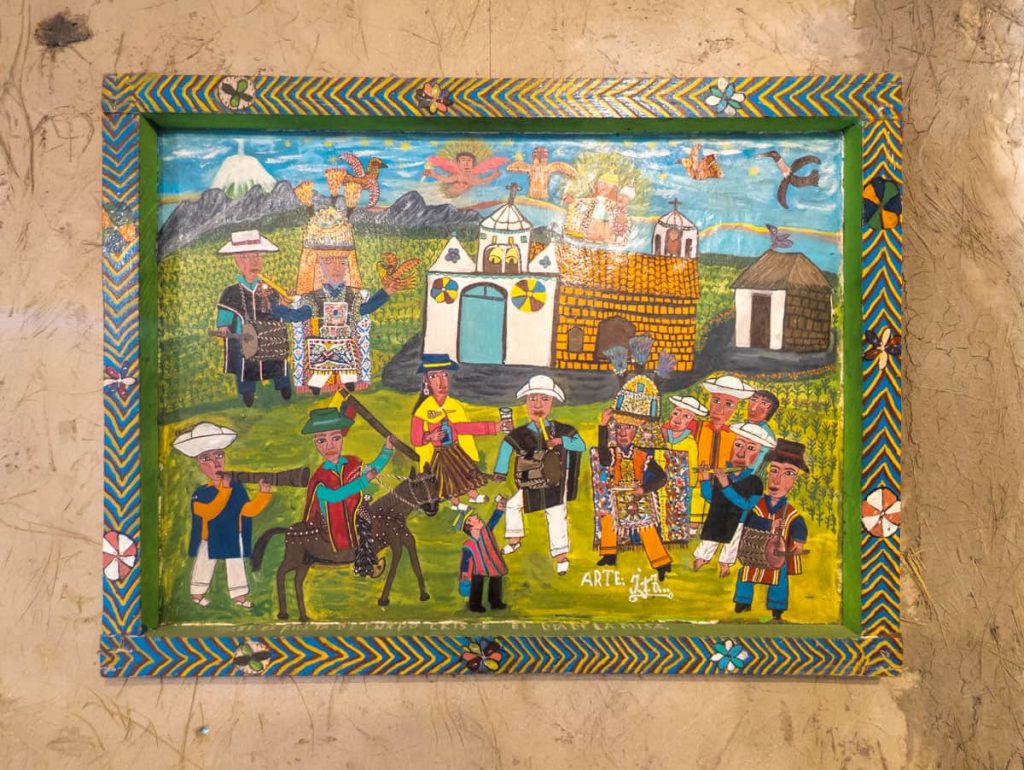
During my trip to Chimborazo, a local guide told me about Don Julio’s son, Alfredo Toaquiza, who not only carries on the art form but is also known as an indigenous leader in Tigua. His work weaves traditional painting with the stories of indigenous struggles and community identity, a theme he explores further in his memoir Apuko.
When you visit Quilotoa, you’ll pass the studios of both father and son (map) along the Latacunga–Zumbahua route. It’s worth stopping to see their work up close and invest in a piece of Andean art. If you don’t have a car, you should book this Laguna Quilotoa tour that includes a visit to Tigua.
Hiking Quilotoa Loop
The Quilotoa Loop is a multi-day hike through Ecuador’s Andean highlands, winding past farms, valleys, and villages before arriving at the turquoise lagoon. Nights are spent in community-run lodges, giving you the chance to support locals while experiencing village life along the way.
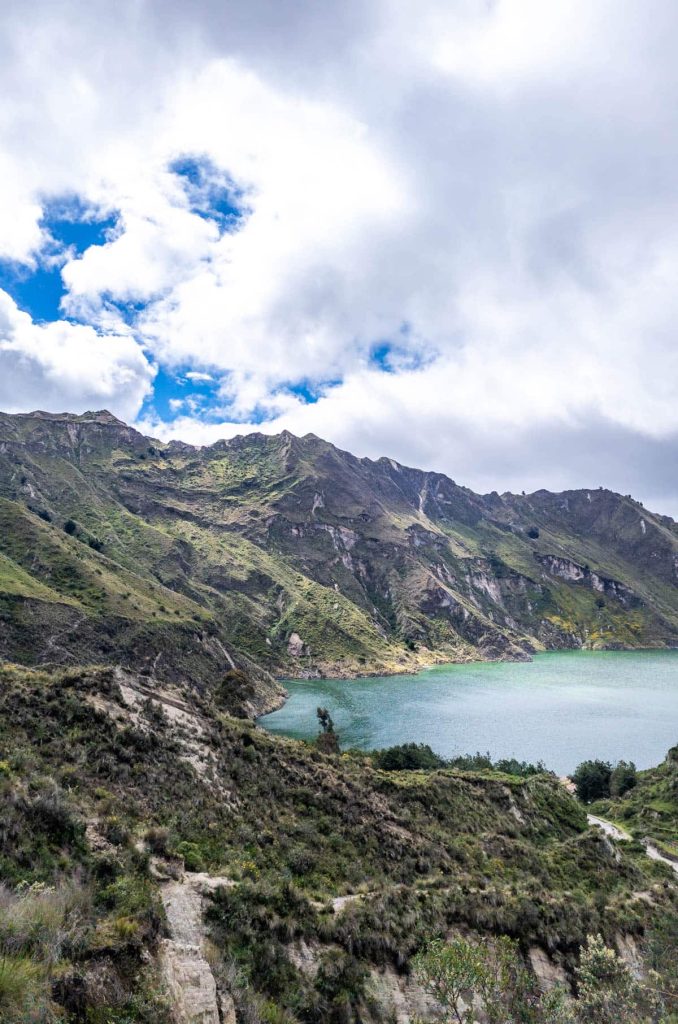
Most travelers start in Sigchos (map) and finish at Laguna Quilotoa or Zumbahua before catching a bus back to Latacunga, which explains some of the confusion around the name. When I was planning my trip, I thought the Quilotoa Loop referred to the hike around the lake itself since it’s an actual loop.
Where to Stay in Quilotoa
When I was searching for the best place to stay in Quilotoa, the answer wasn’t obvious. Every hotel seems to have mixed reviews, usually due to hot water or internet cutting out. You should come prepared for that possibility and remember that if something stops working, it’s often not an easy fix in this remote location.
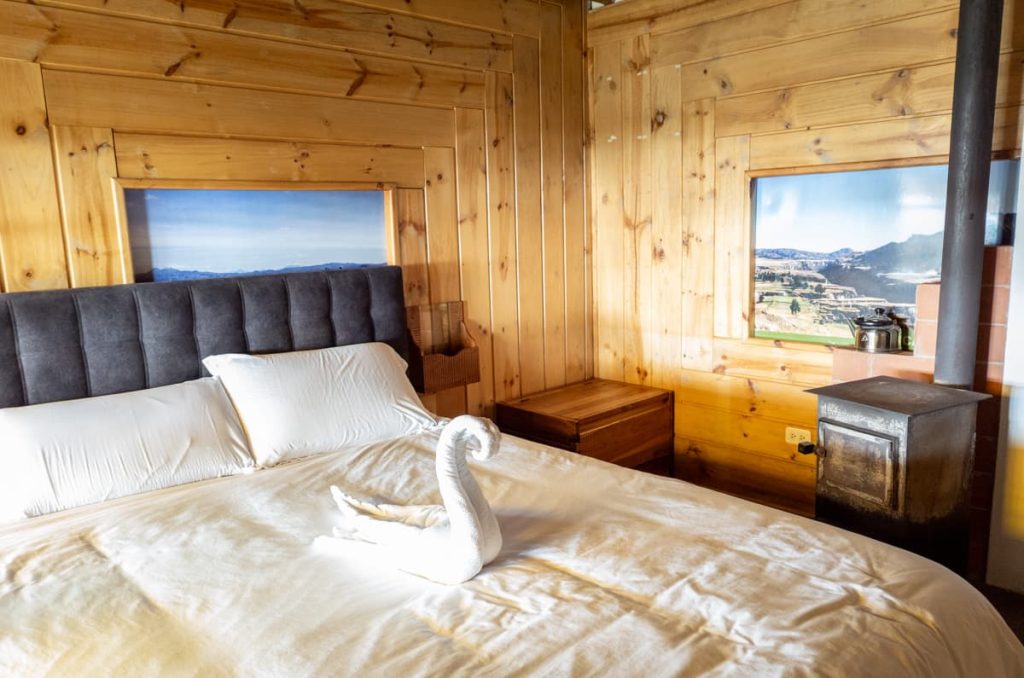
I decided to book a room at Hostería Chukirawa for its location next to the mirador and because each private room has its own woodstove lit by the staff at night. I stayed warm with no issues using the Wi-Fi or hot water.
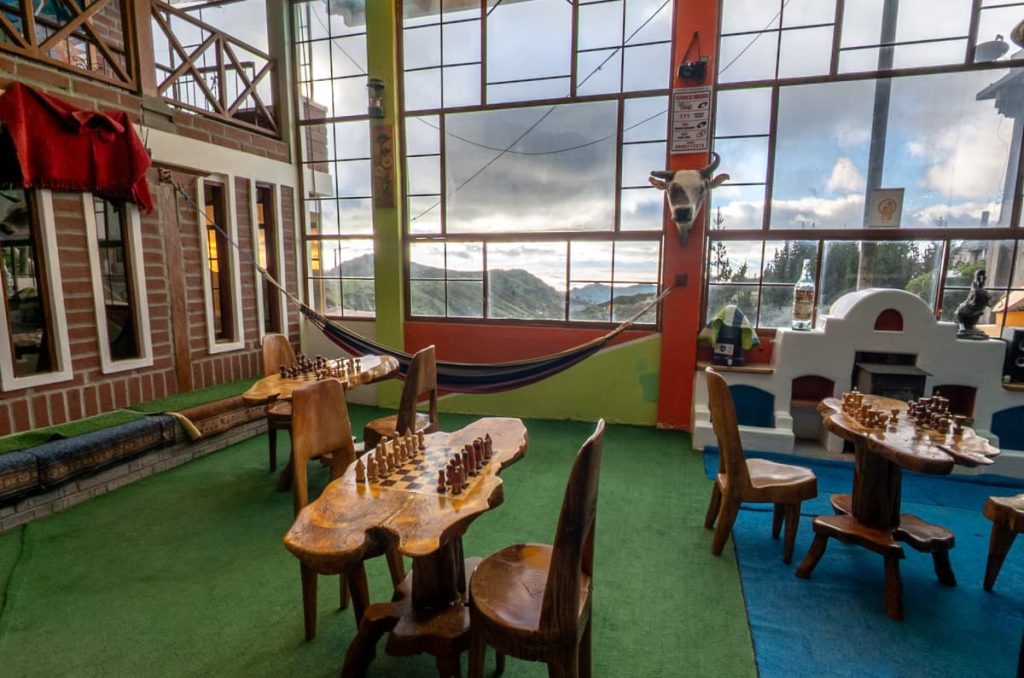
This hotel also has a restaurant and a communal space with large windows, a hammock, and cheese boards.
Camping on Quilotoa Crater Lake
Camping at Quilotoa is free, but you’ll need to bring everything with you — tent, food, water, and warm gear, plus firewood if you want to use the campfire area. The crater walls offer some shelter, but nights by the lake are often cold and windy.
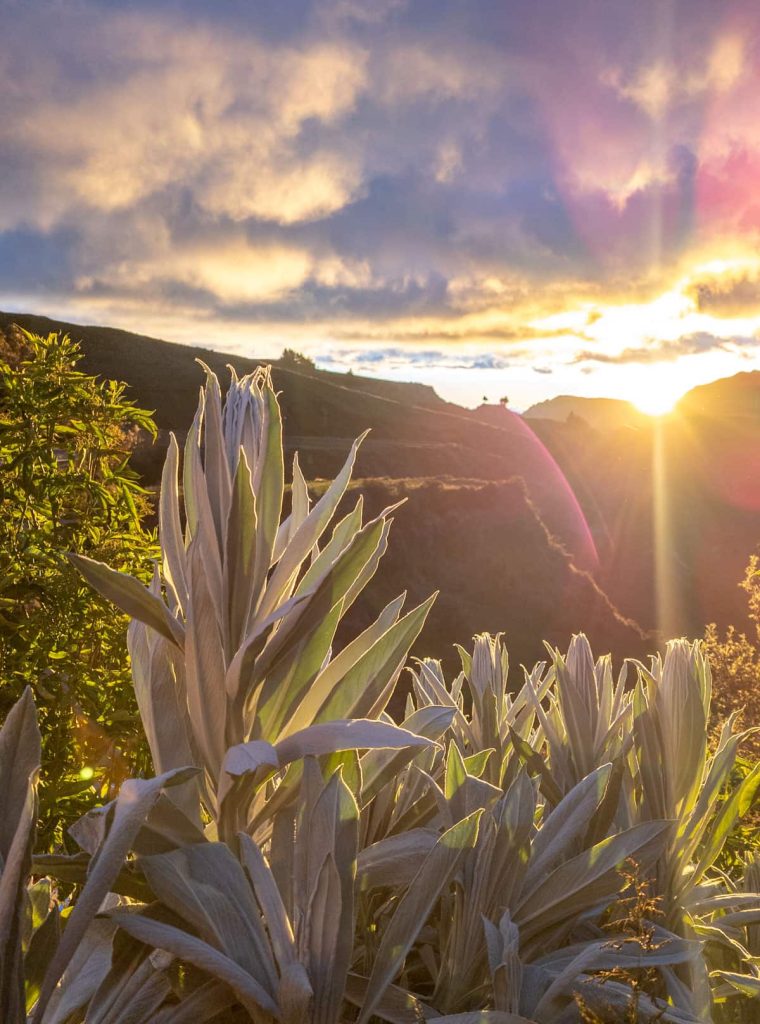
During my trip to Ecuador, a friend from Ambato suggested we camp by Quilotoa and hike the rim at sunrise. He couldn’t make the trip, and without camping gear I opted for a warm room instead.
The wind was fierce that night and I remember feeling a little relieved. That night I found myself thinking about the two young Ecuadorians I’d spoke with on their way down with tents, wondering how they were faring in the wind.
What and Where to Eat in Quilotoa
At Laguna de Quilotoa, nothing hits the spot like a warm bowl of locro de papa, Ecuador’s classic potato soup. I also spotted grilled lamb on several menus, which made my stomach perk up.
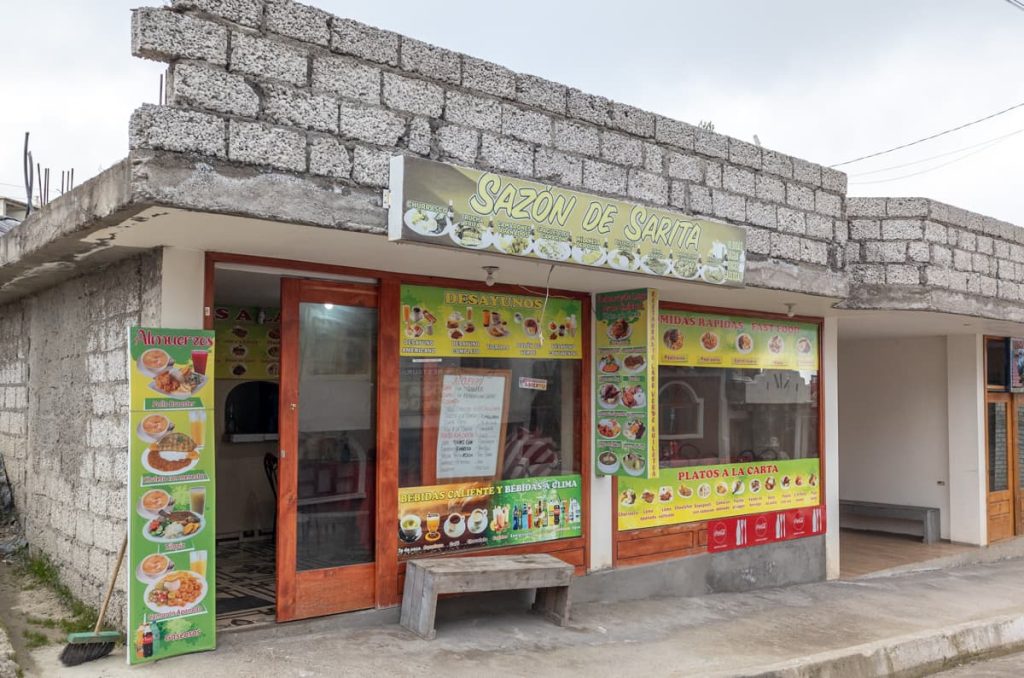
In the end, I went for a local almuerzo (menu of the day) at this small restaurant. The owner served it with a hot cup of canelazo de caña. “For the altitude and for the cold,” he told me. I liked it so much I grabbed another cup on my way back to the hotel, hoping the sugar and warmth would ward off the altitude.
Tip – Restaurants here don’t stay open late, so plan to eat by 5 or 6 pm

Where is Quilotoa Lake located?
Quilotoa Lake is located about 180 km (112 mi) southwest of Quito, Ecuador. The turquoise crater lake sits inside the Quilotoa Volcano, in the western Andes of Ecuador. It’s located in Cotopaxi Province near the town of Zumbahua and is one of the highlights of the Quilotoa Loop.
Best Time to Visit Quilotoa Lagoon
The best time to visit Quilotoa Lagoon is during the dry season from June through September, though it’s also the busiest. If you’d rather avoid crowds, the shoulder months of April–May and October–November usually offer good weather with fewer visitors.
Tip – Weekends attract more local visitors. So if you’d like a quieter experience, plan your trip for a weekday. Although, less restaurants will be open.
At this altitude, you need to be prepared for changing weather, with wind being one of the biggest factors. At Laguna Quilotoa, the winds tend to pick up from June to September (July is the windiest on average). When I stayed overnight at the end of April, the gusts were so strong by morning that hiking the crater rim wasn’t an option.
FAQs About Laguna Quilotoa
Is Quilotoa Lake worth visiting?
Yes, Quilotoa Lake is worth visiting. The turquoise crater lagoon is one of the most stunning sights in Ecuador, with opportunities to hike down to the shore, circle the rim, or simply enjoy the views. It was easily one of the highlights of the six weeks I traveled in Ecuador.
How deep is the Quilotoa Lake?
Quilotoa Lake is about 250 m (820 ft) deep. The crater formed after a volcanic eruption roughly 800 years ago, and over time it filled with water and mineral deposits. Those minerals are what give the lagoon its brilliant turquoise color that shifts with the light and clouds.
What is there to do in Quilotoa Lake?
There are quite a few things to do at Quilotoa Lake. You can hike down into the crater, rent a kayak, or challenge yourself with the crater rim hike. Around town, visitors shop for handicrafts, visit the Saturday market in Zumbahua, or stop in Tigua to see colorful sheepskin paintings.
Why can’t you swim in Quilotoa Lake?
You can’t swim in Quilotoa Lake because the water is highly acidic due to its volcanic origin. The minerals make it unsafe for swimming, and the cold temperature adds another barrier. Instead, visitors can enjoy the lake by taking in the views from above, hiking down to the shore, or renting a kayak.
Wrapping Up Your Travel to Quilotoa Lake
When you visit Quilotoa Lake, it isn’t just about the viewpoint. The turquoise lagoon shifts with the light, the winds remind you of the high altitude, and the surrounding Andes stretch endlessly into the distance.
It’s a place shaped by volcanic power and defined by its stillness. Once you’re standing at the rim, watching clouds move across the water, everything else slips into the background. Quilotoa is one of those places that reminds you how small you are (and how humbling that can feel).